

The scale of the problem
Autoliv is the global leader in automotive passive safety: airbags, seatbelts, and the systems that activate them in a crash. $10.4 billion in annual revenue. ~70,000 employees across 25 countries. An estimated 37,000 lives saved and 600,000 injuries prevented every year.
At that scale, even a small process inefficiency multiplied across dozens of plants and thousands of workers adds up fast. Many of Autoliv’s internal workflows were still analog, clipboards, whiteboards, shared spreadsheets, systems that worked fine when teams were local but didn’t hold up across a global operation.
Internal tools
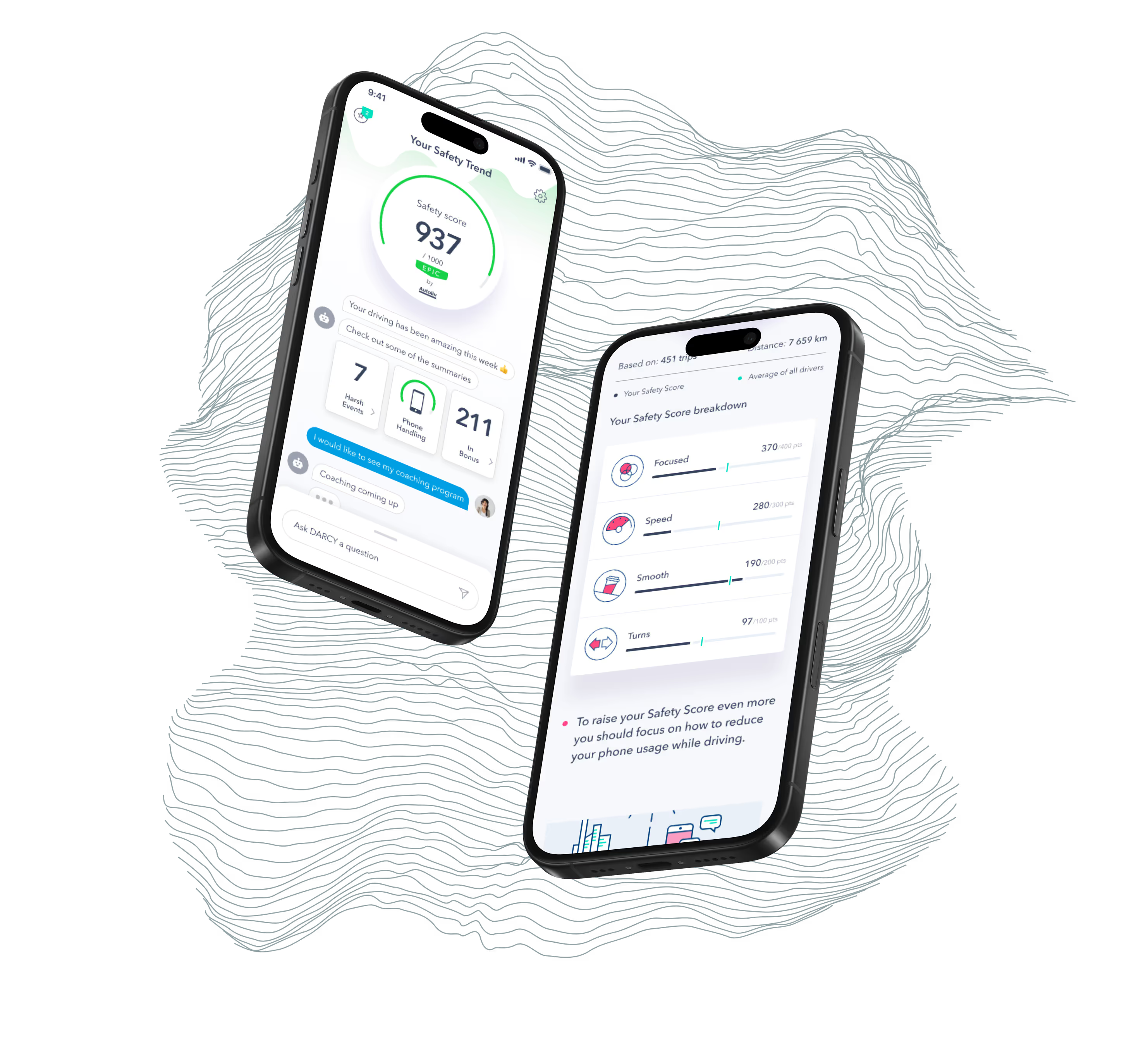
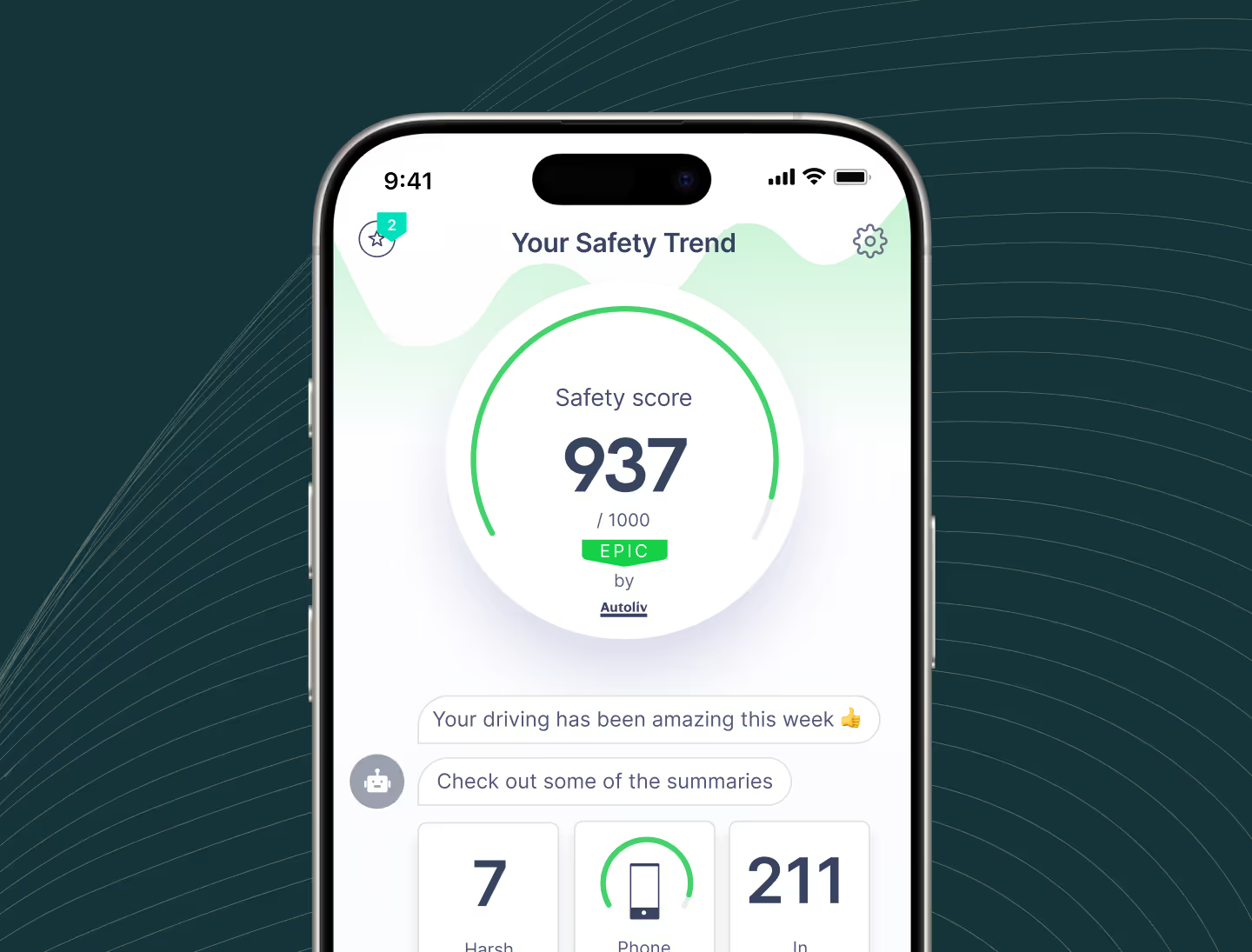
HQ has built a suite of internal tools for Autoliv across mobile and web. The consistent theme: take a process that was previously manual or paper-based and turn it into a database-driven application that works the same way across every plant, every country, every shift.
The tools we’ve built handle safety tracking, supplier management, coaching workflows, and operational reporting. Each one is designed for the people actually doing the work, not just the managers reviewing it.
Mobile and web apps
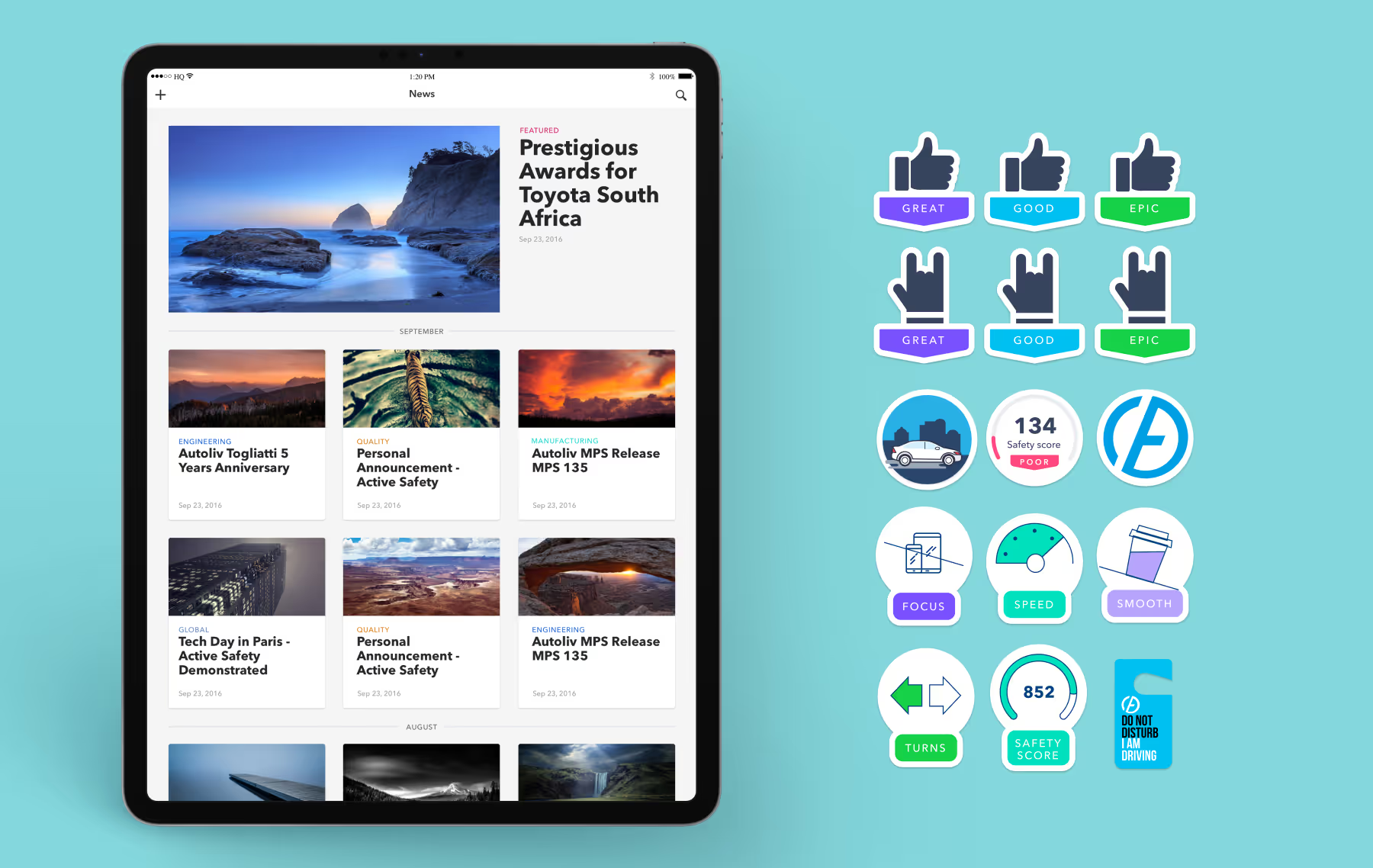
The applications cover both internal workflows and public-facing use cases. Mobile apps give employees access to dashboards and tools on the floor, not just at a desk. Web applications handle more complex workflows like supplier board management and risk tracking.
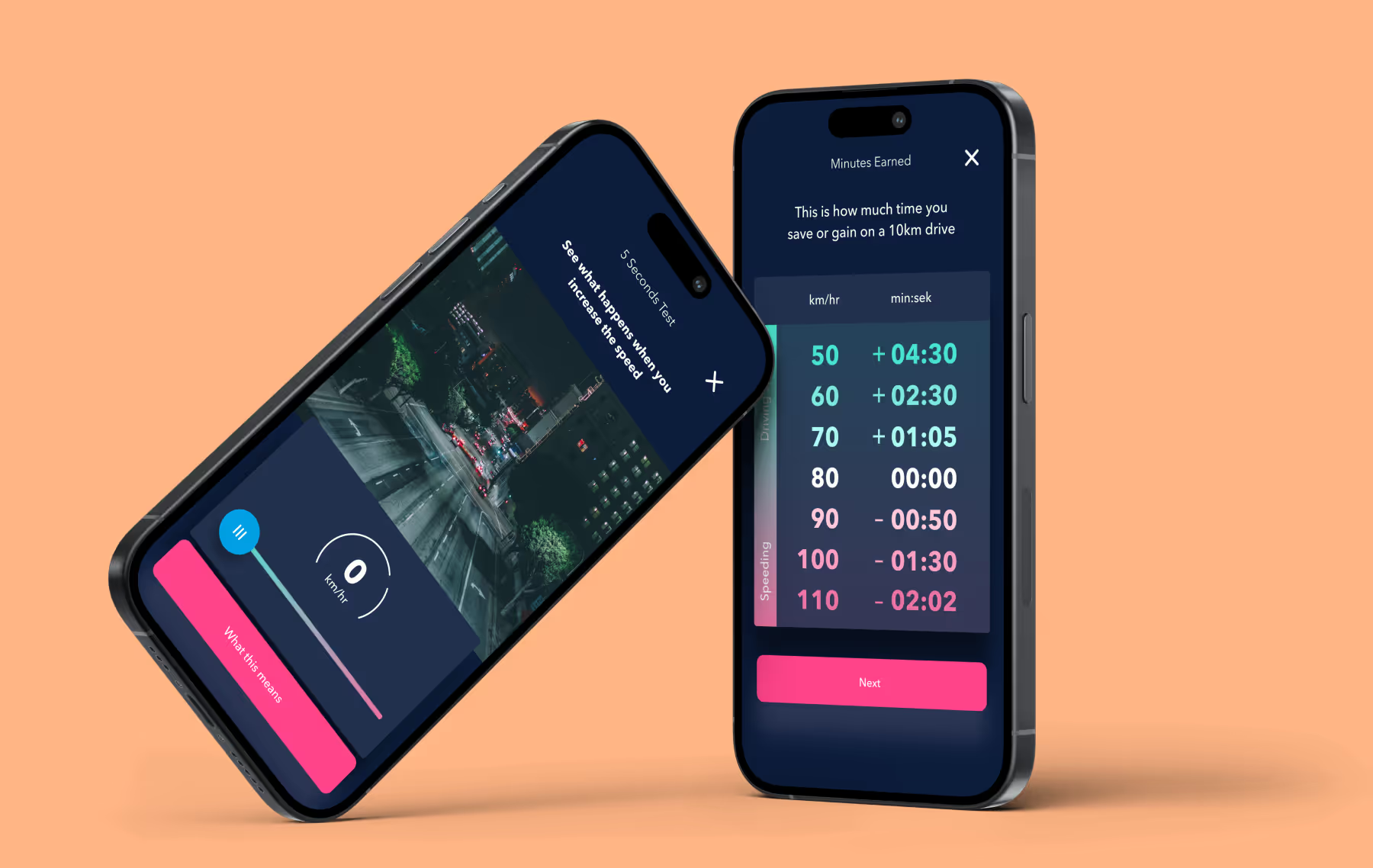
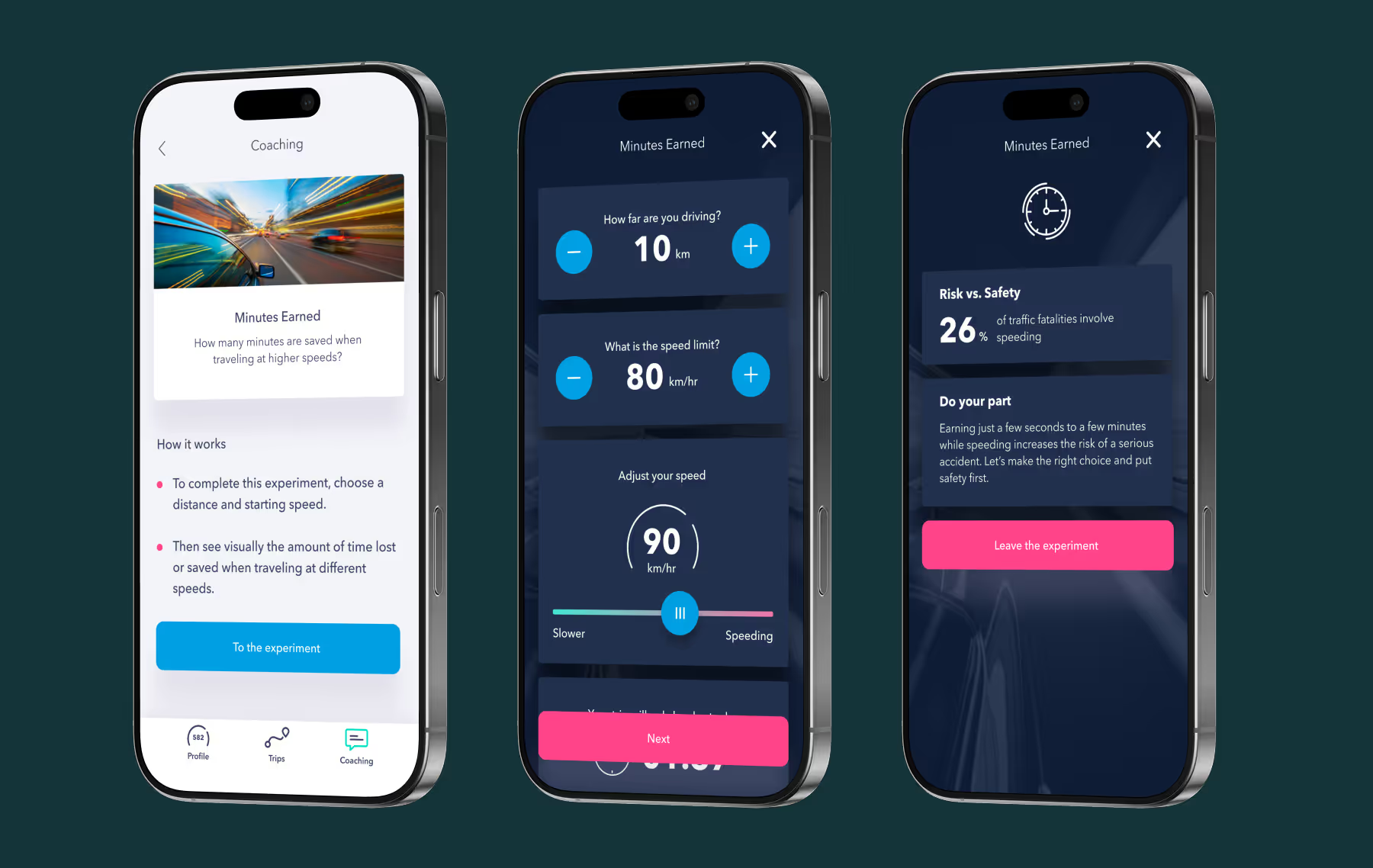
The driver coaching simulator is one of the more distinctive pieces. It lets users model the actual time and risk trade-offs of driving at different speeds, grounded in Autoliv’s safety data. It’s both a training tool and a demonstration of the company’s core mission.
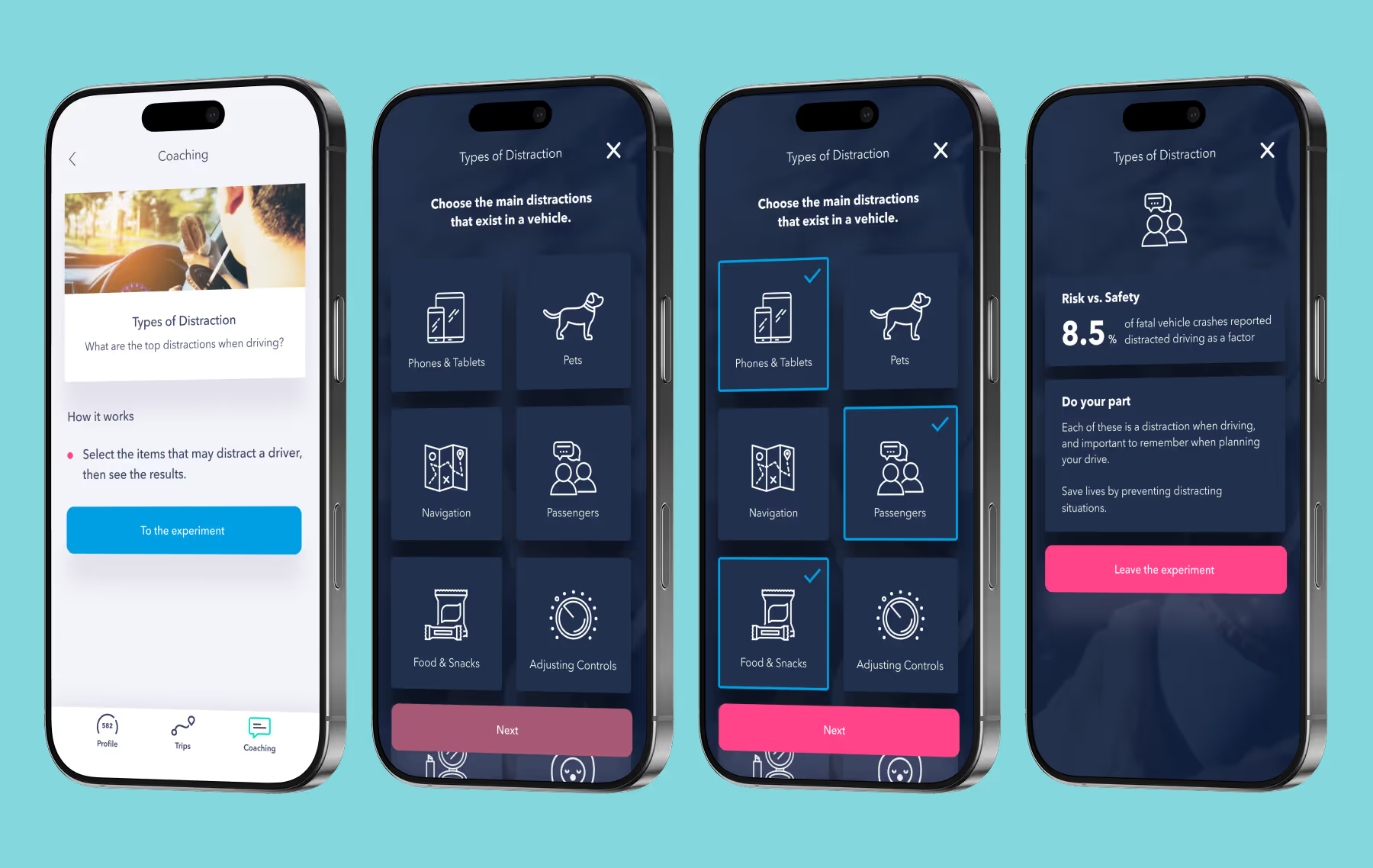
Automating analog processes
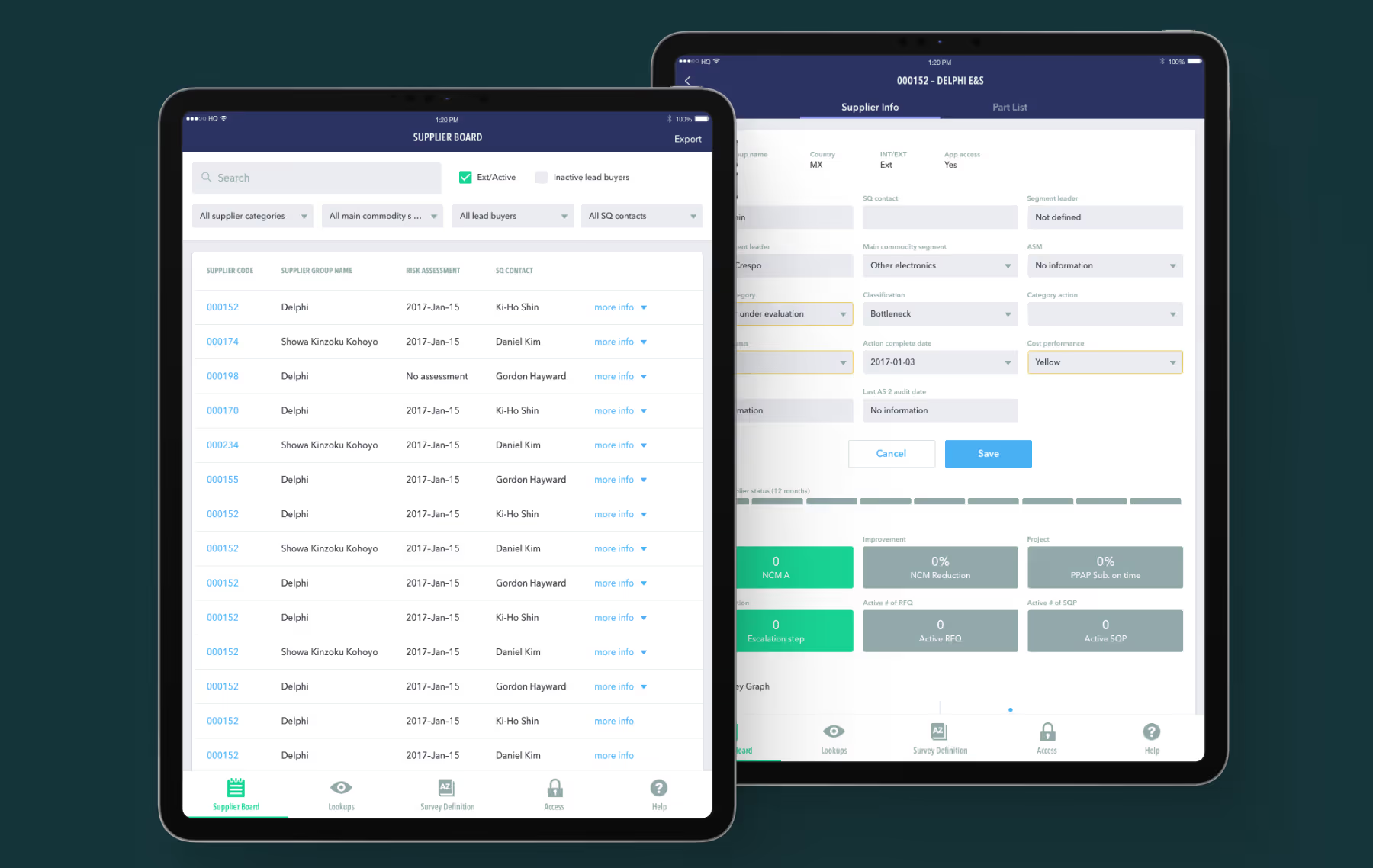
The supplier board replaces a manual tracking process with a structured database that surfaces risk assessments, contact information, and manufacturer status in one place. What used to live in a spreadsheet or a filing cabinet is now searchable, filterable, and consistent across the organization.
What the internal tools sit on top of
Autoliv runs 62 production facilities and 13 technical centers with 20 test tracks between them.
In 2025 the company shipped 143 million seatbelt systems, 143 million side airbags, 61 million frontal airbags and 21 million steering wheels, fitted across more than 1,400 vehicle models and around 100 car brands. Research and development ran to $616 million gross that year, 3.8% of sales.
Those are the volumes an internal tool has to be correct at. A process that works when somebody does it forty times a week behaves differently when a plant does it forty thousand.