1) The branding and site design
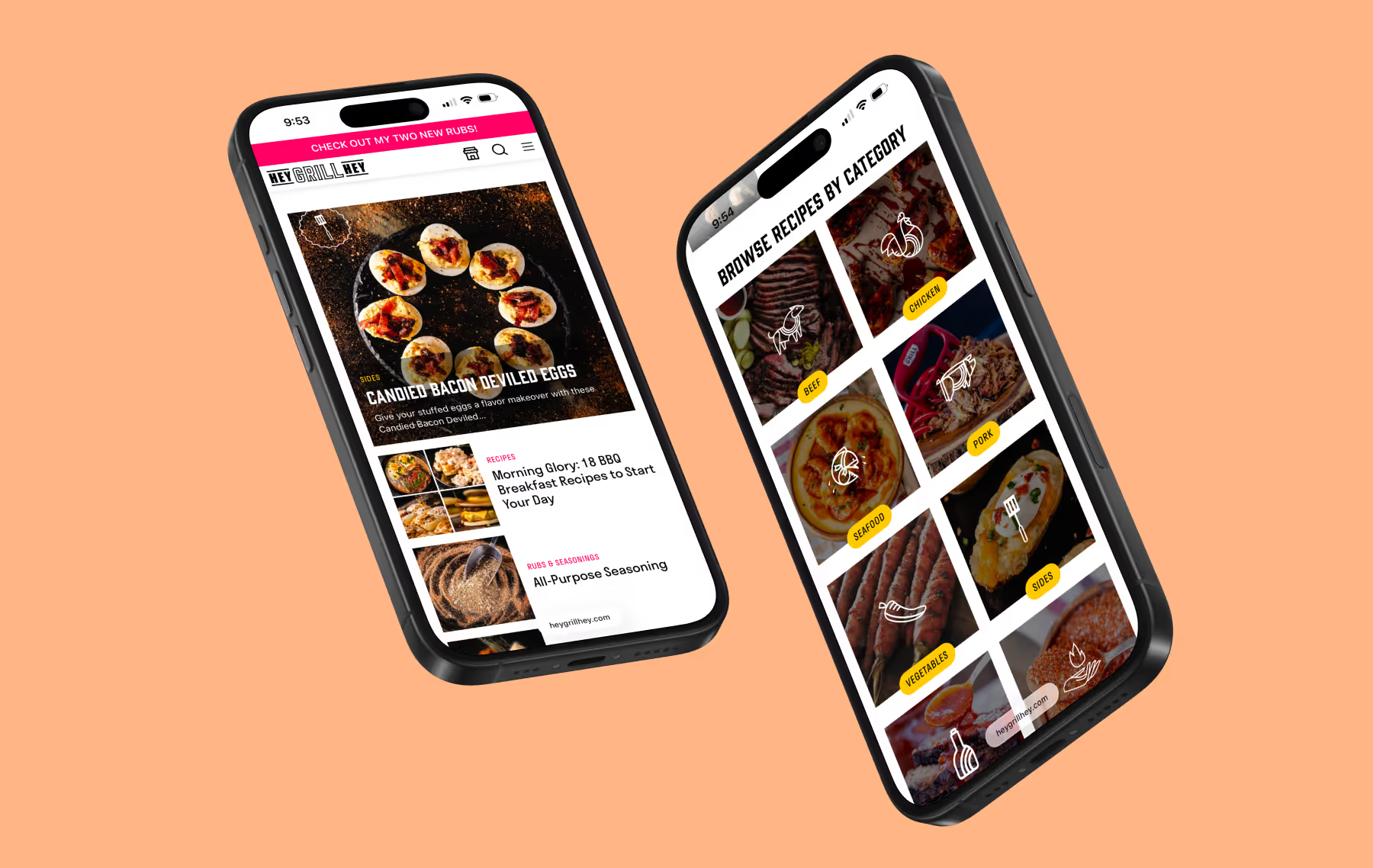
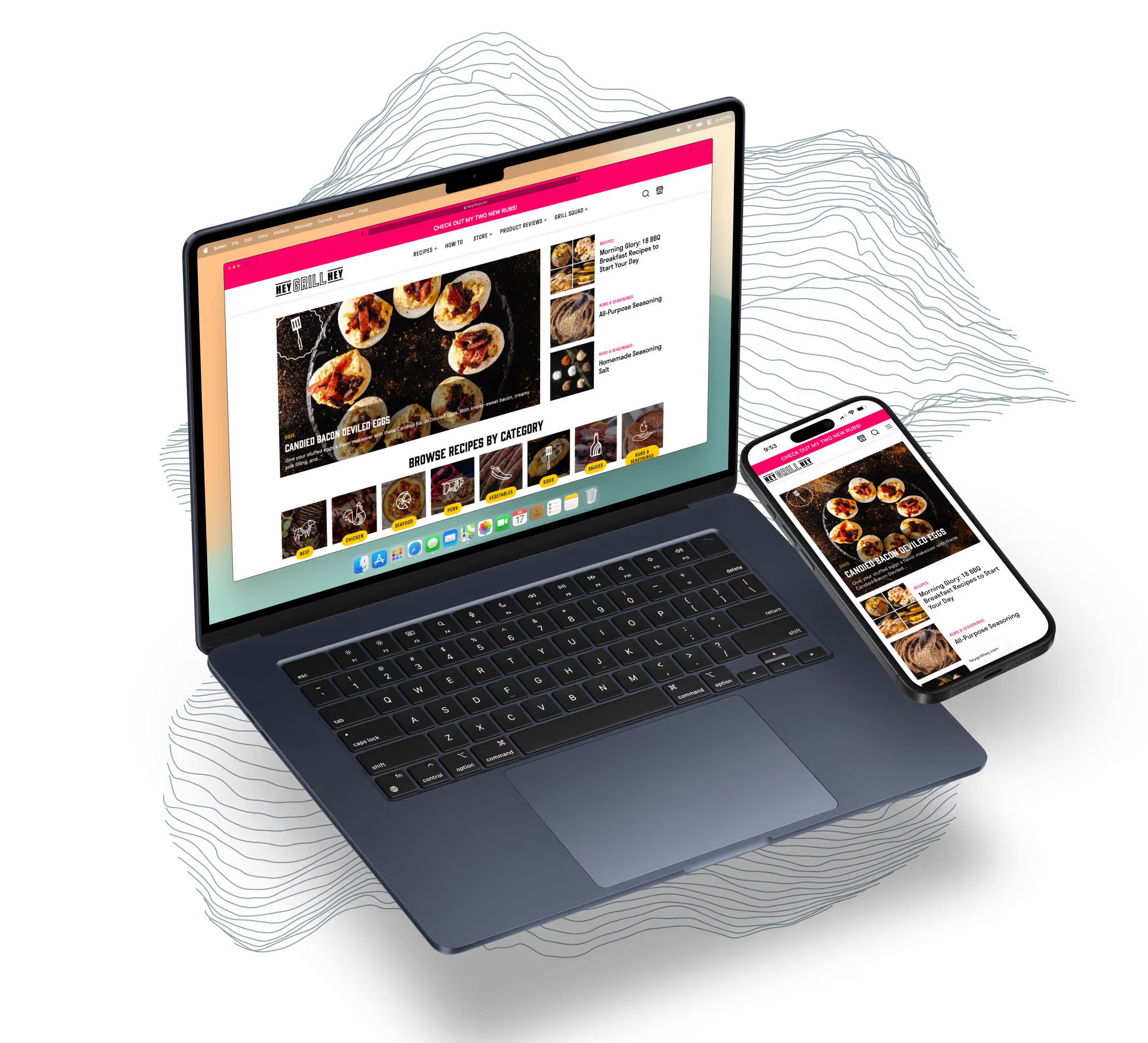
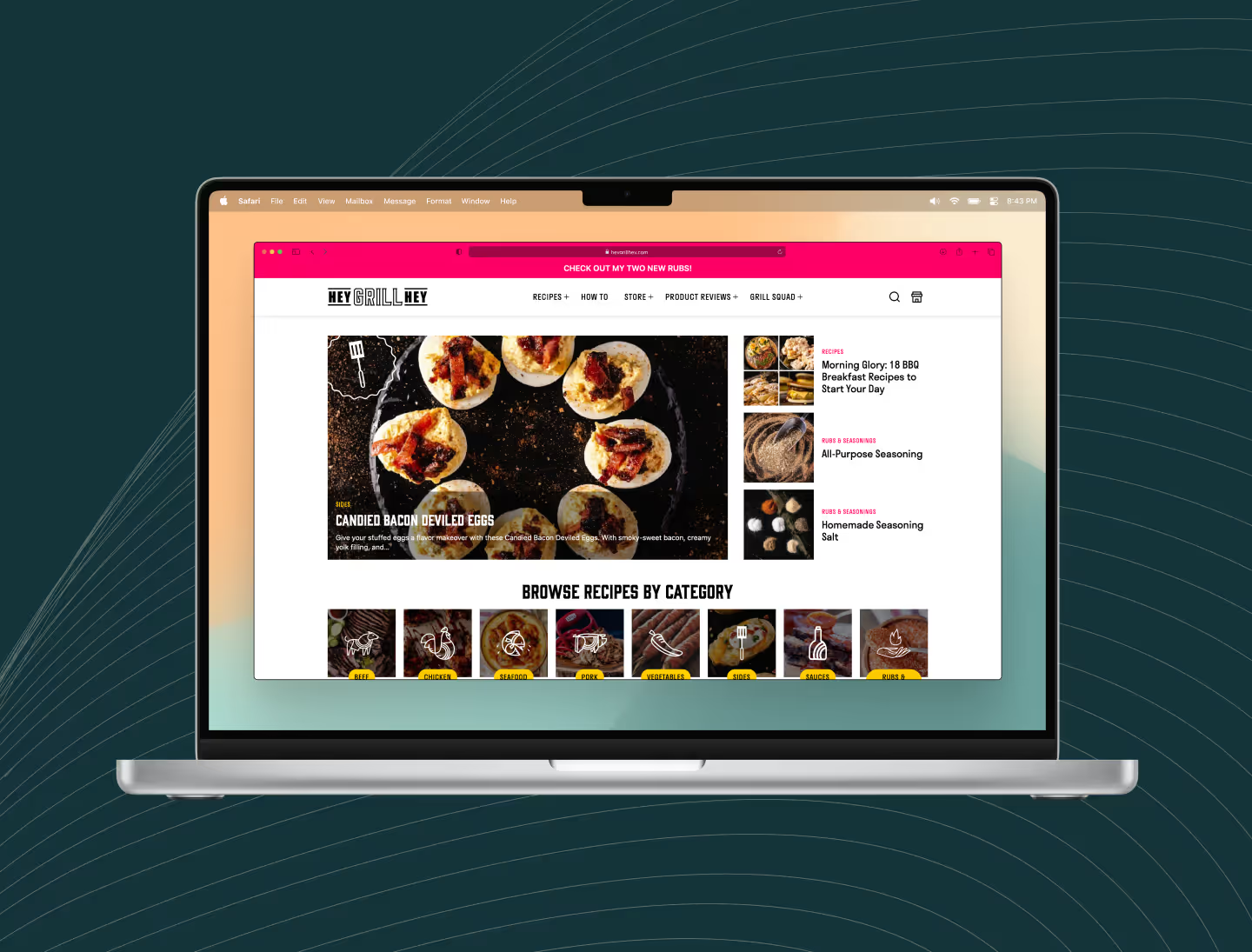
Hey Grill Hey came to with a new logo and a huge amount of custom BBQ content, including recipes, reviews, and videos. We implemented and expanded the new brand system, and designed a site that could better handle a huge about of valuable content.
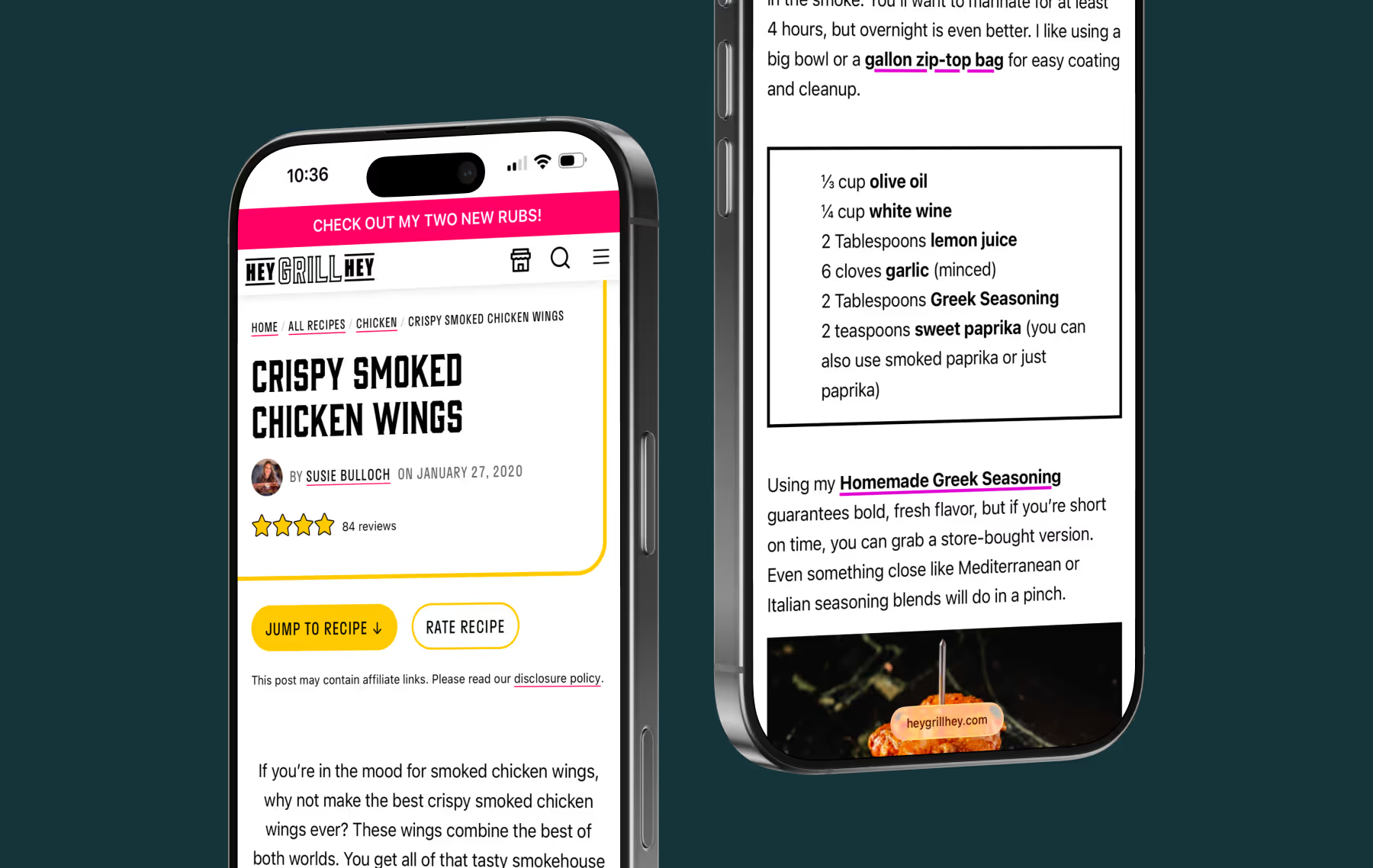
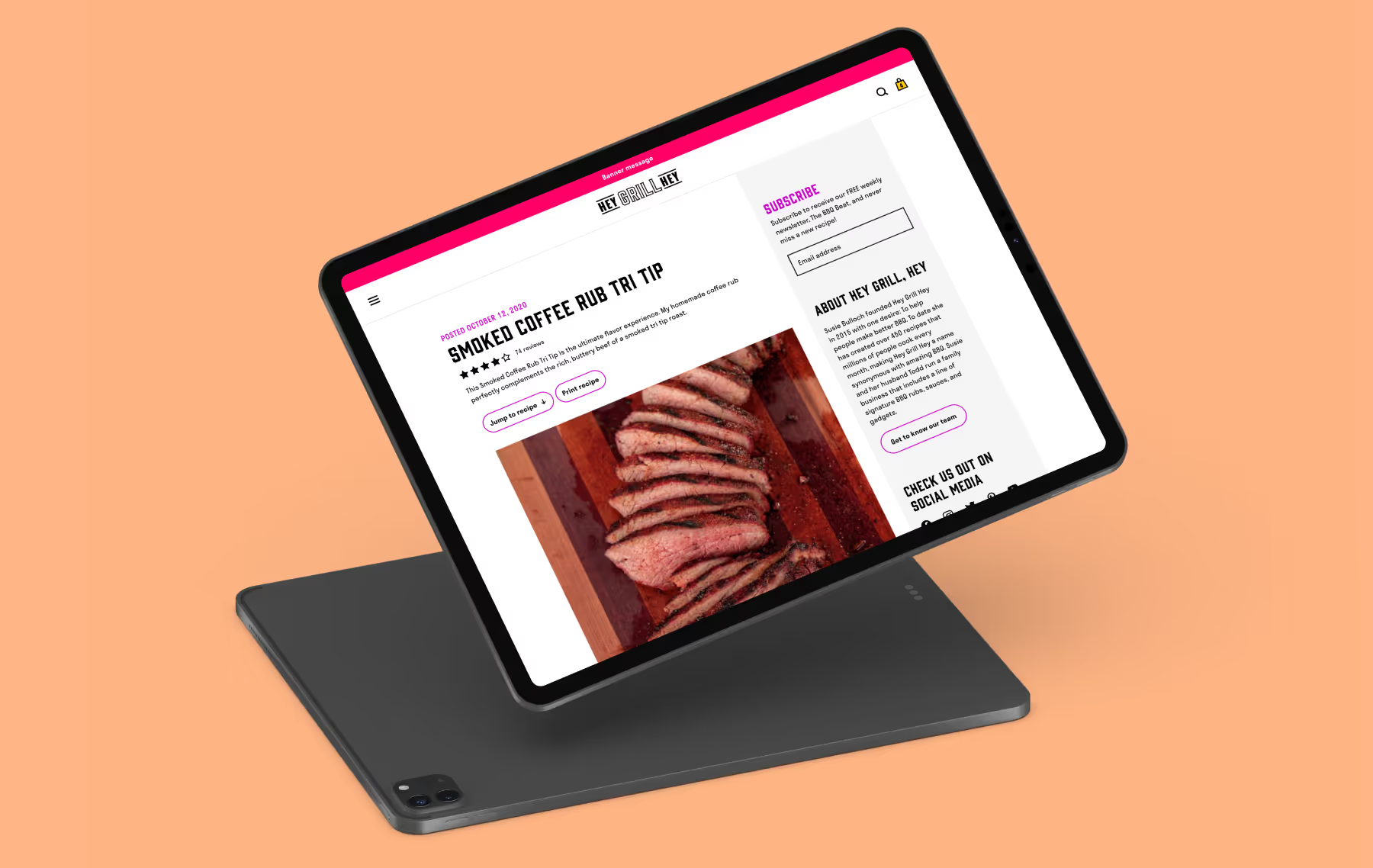
Hey Grill Hey needed robust content pages, in particular, recipe pages that were modular and balanced many different goals.
We also re-architected the paths to finding relevant content through a more robust search, filter, and category system.
2) The development
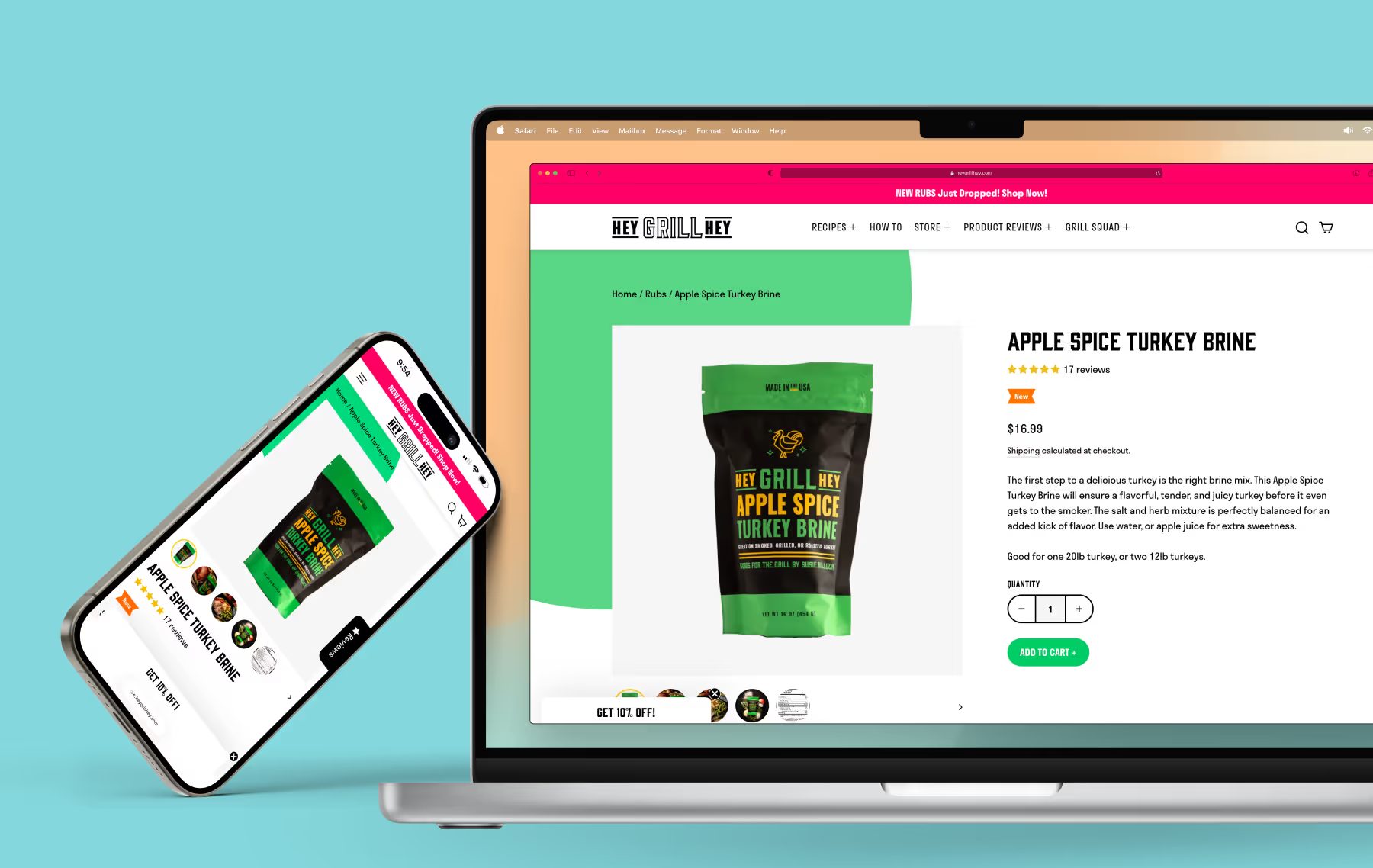
Blogging and selling products has unique challenges. Wordpress is a great blogging platform but has significant limitations in ecommerce. Shopify is a powerful ecommerce tool with mediocre blogging functionality. We ideally wanted to sell through Shopify but maintain the Wordpress blog.
We suggested a headless architecture that would enable us to rebuild the website using the capabilities of both Shopify and Wordpress. By leveraging the benefits of both platforms, we were able to create a unique user experience for our the end users.
With the headless architecture, the blog could be statically generated and served up quickly to users.
Meanwhile, the ecommerce functionality of Shopify was directly integrated into the pages, allowing customers to add products to their cart and checkout seamlessly.
By choosing this approach, we were able to give our client the best of both worlds: a fast and functional blog and a fully integrated ecommerce site. The result was a website that drastically reduces friction in converting readers to customers.
3) The decisions behind the design
The type system pairs Gin for display with Stratos for body copy, and Freight Macro sits between them. We also added a subheading style the brand did not have, because a recipe page needs more levels of hierarchy than a homepage does.
Colors were picked against measured contrast rather than taste. Every hue in the palette was tested against black and white and given its ratio, with a floor of 5:1 for readability at any size. That is what decided where the neons could carry text and where they had to stay as fills.
The logo choice came from the same kind of constraint. A phone is where the room runs out, so the wordmark that works there is the wordmark used everywhere.
Search moved out of the menu. Tapping a text field and then being sent to a different page to actually type is a small confusion that repeats on every visit, so the menu carries a search button and the typing happens in one place. The cart moved up to the top of the menu at the same time.
The audience the site carries
As of September 2026 the community runs to 899,104 Facebook likes, 160,000 followers on Instagram, 260,000 subscribers on YouTube and 91,370 on Pinterest. The site holds 835 recipes across 1,003 published posts.
Their Sweet Rub took first place for beef rub at the National Barbecue and Grilling Association awards in 2020.
The rubs went to shelves
The product line has grown to 41 items, among them nine rubs and ten sauces and glazes. They are stocked in more than 1,600 retail locations across all fifty states, through Ace Hardware, Academy Sports, Scheels, Fleet Farm and Harmons.