


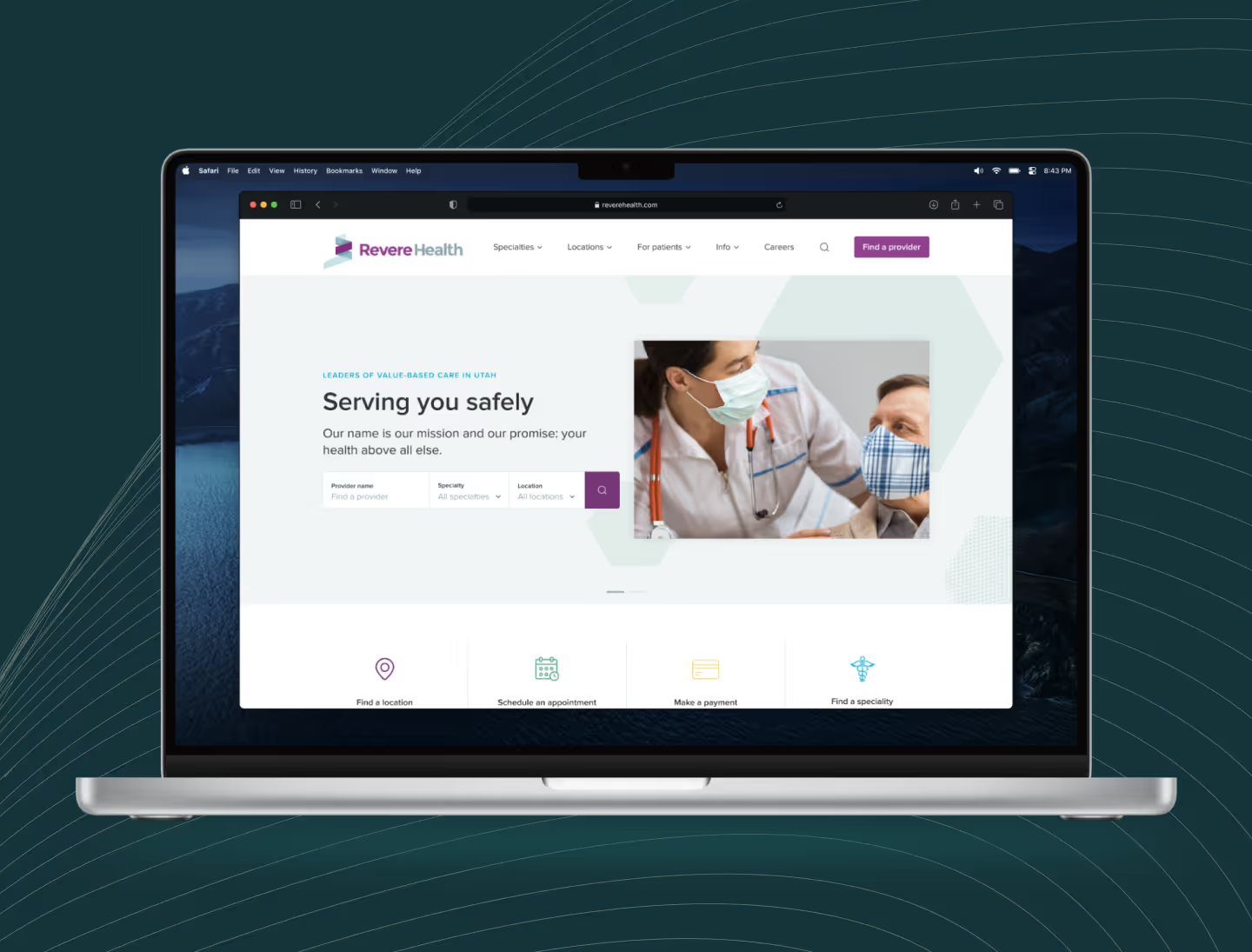
The short version
For Revere Health, one of Utah’s leading physician-owned multi-specialty healthcare networks, HQ redesigned the full website, from UX and design through front-end development. Revere has more than 400 providers at over 100 clinic locations and sees 1.17 million patient visits a year, so HQ built the site mobile-first, with provider and location search at its center and a patient education hub alongside. Provider search returns results as a patient types, by provider name, specialty, or condition, filtered by location. A September 2026 Semrush audit of all 2,861 pages measured an average of 0.17 seconds to serve a page’s HTML, with 99.3% of pages served in under half a second and a site performance score of 100%. HQ has kept building the site for three years since launch, with 1,741 commits so far and accessibility work against WCAG across the provider pages and every form.
The problem
Revere Health is one of Utah’s leading physician-owned multi-specialty healthcare networks: 400+ providers, 100+ clinic locations, 30+ medical specialties, 1.17 million patient visits per year. Their old website couldn’t keep up with the scale of the organization. Finding a provider or a nearby clinic was harder than it should have been, and the mobile experience was an afterthought.
For a healthcare system where the website is often the first touchpoint, and where patients are searching on their phones while deciding where to get care, that friction had real consequences.
What did HQ redesign?
HQ took on the full web redesign: UX, design, and front-end across the entire Revere Health site. The project had three core problems to solve: provider discovery, location search, and patient education.
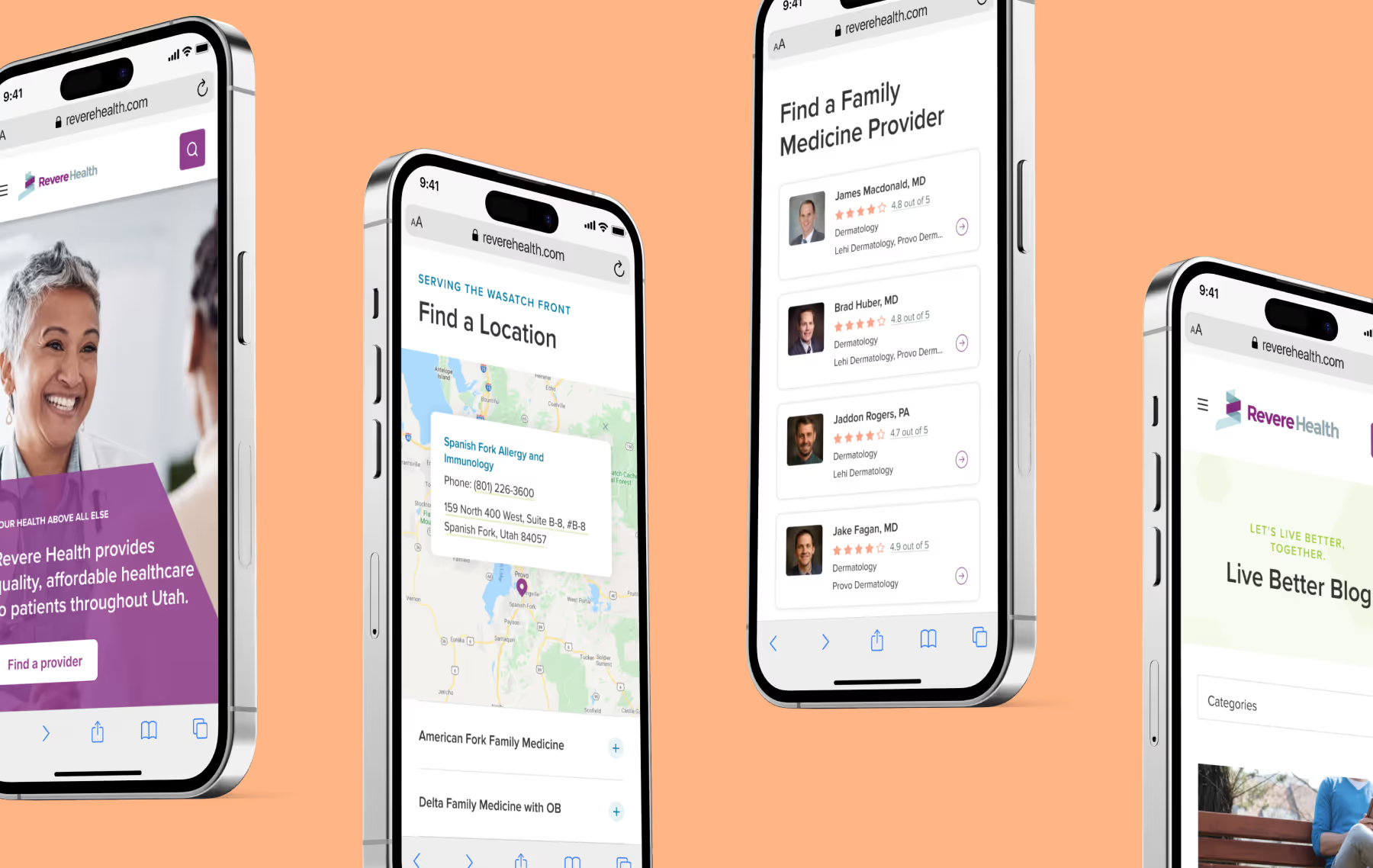
The site is built mobile-first. Every interaction, searching for a specialist, finding a clinic by city, reading about a condition, was designed for a phone screen first, then scaled up to desktop. The result is a site that works at every breakpoint without sacrificing information density.
Provider and location search
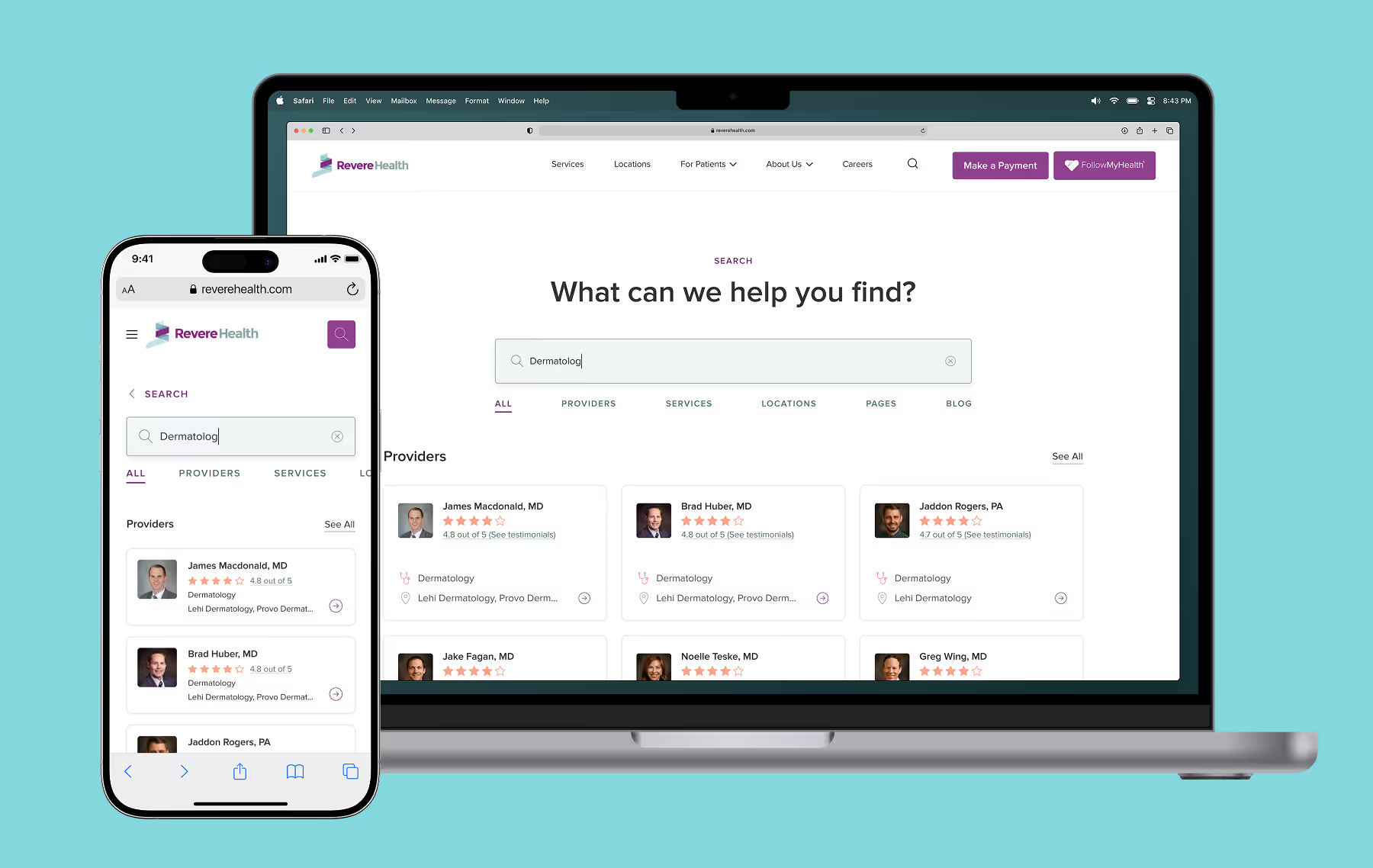
Finding the right provider used to mean navigating through category pages and specialty lists. We rebuilt the search to return dynamic results as patients type, surfacing providers by name, specialty, or condition, filtered by location. The same logic powers the location search: patients can find a clinic near them with available providers in one query, without needing to know the system’s internal geography.
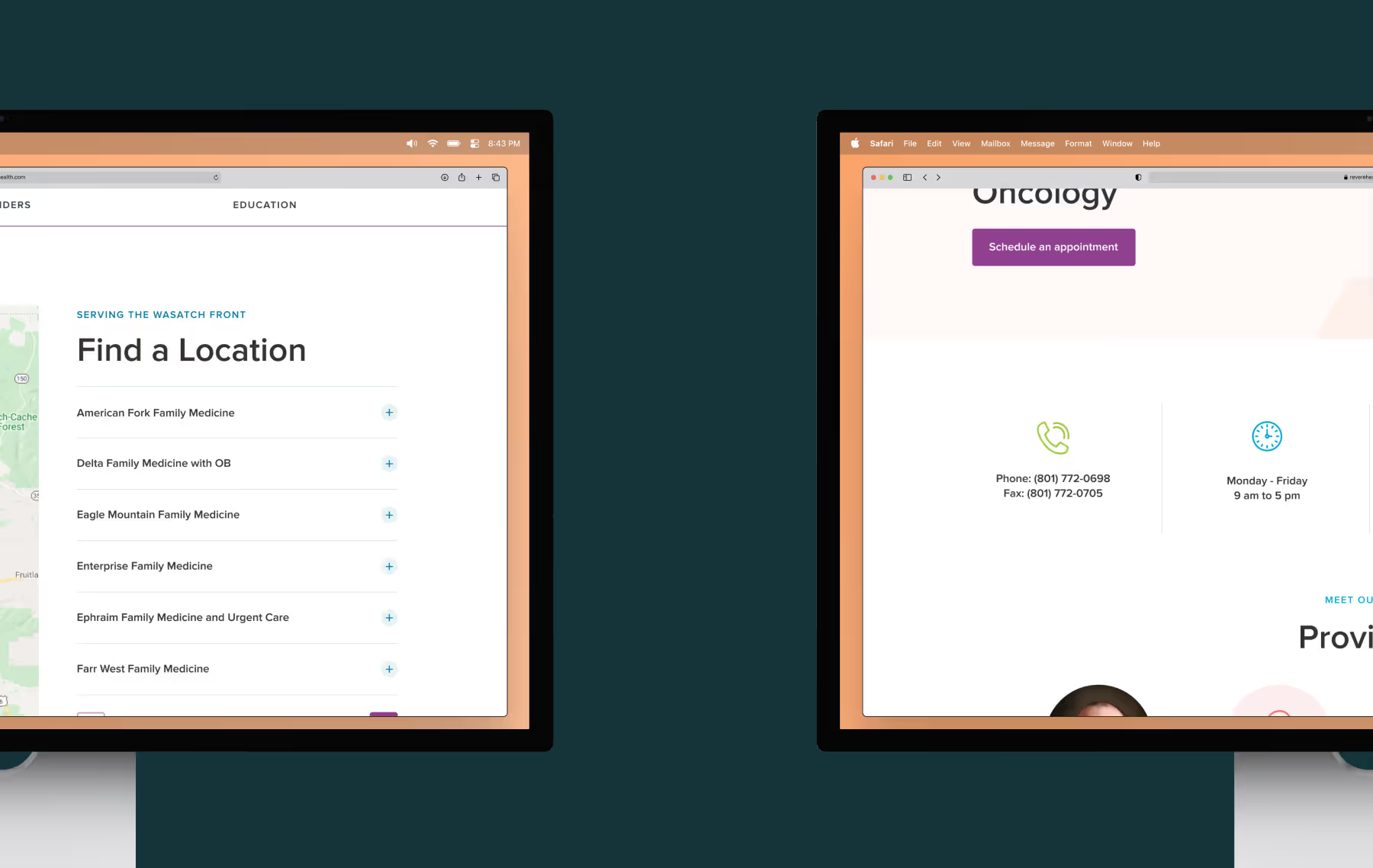
Each location page shows hours, contact information, available specialties, and the specific providers who see patients there. The data feeds are structured so Revere’s internal team can keep everything current without custom development work for each update.
Patient education hub
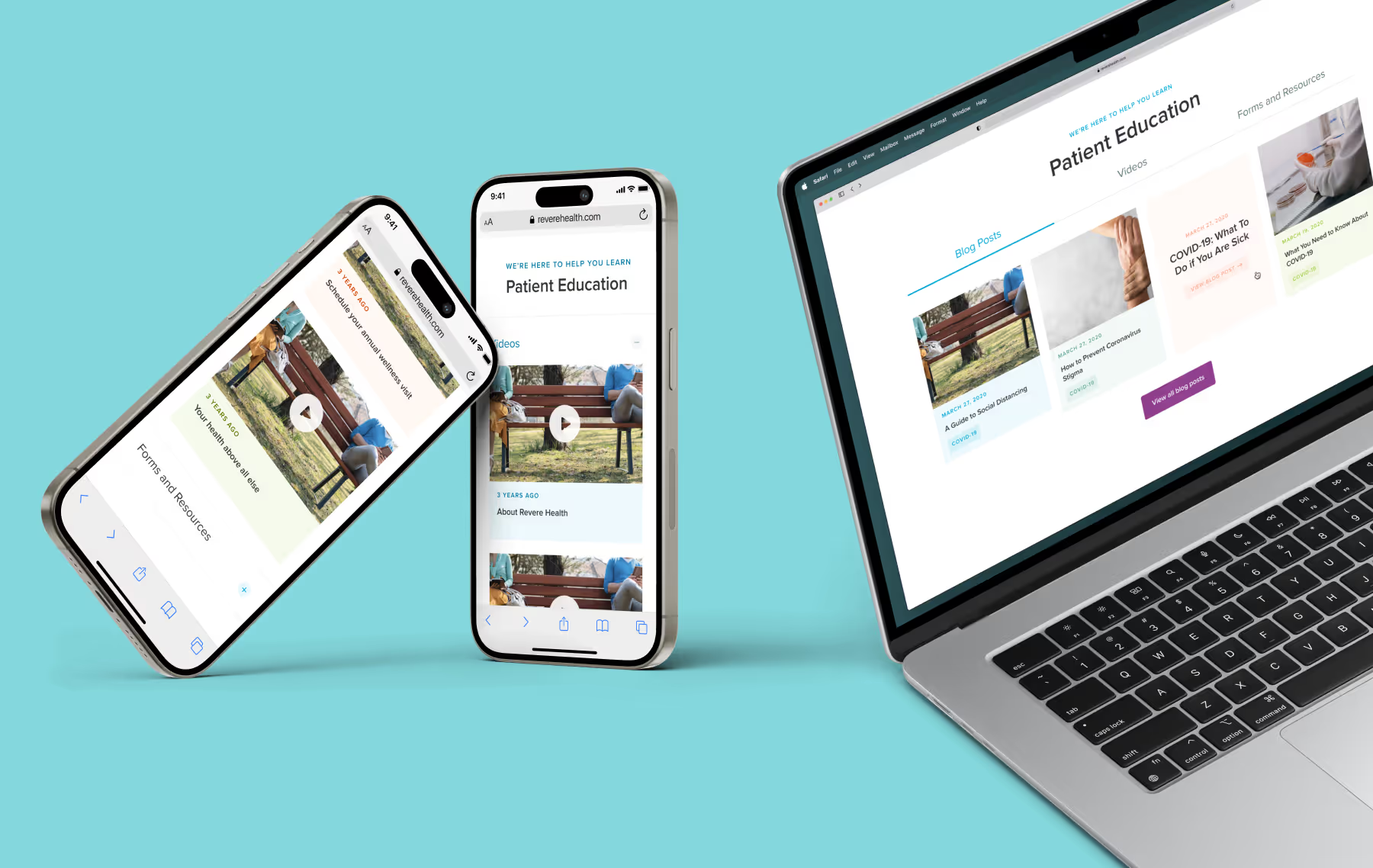
The education section pulls together blog posts, videos, and condition-specific resources into an organized hub. It gives Revere a place to publish content that serves patients searching for answers, and a foundation for ongoing SEO in high-intent healthcare categories.
The 100-record ceiling
WordPress holds the content and the site reads it through GraphQL, an API that hands back one query’s results in a single batch. That batch stops at 100 records. Revere has more than 400 providers, so a specialty page has to walk the API in pages to assemble a full list. The same ceiling caps testimonials, which come back ten at a time unless you ask for more.
Accessibility
Three rounds of work went into how the site behaves for someone using a keyboard or a screen reader. Alt text corrected across provider and location pages. A duplicate h1 taken out of the home hero. Modal close behavior hardened so focus does not get stranded. WCAG violations resolved across the provider pages and the forms.
Speed, and how we know
Images are served as AVIF, a newer format that holds quality at a fraction of the file size. The image a browser paints first is marked high priority so it loads ahead of anything decorative, and content fetches at build time run in parallel instead of one after another. Vercel Speed Insights runs on production, so the numbers come from real visits.
Maps work the same way for privacy. A visitor who has not accepted cookies gets a static map preview and a button to turn on the interactive version, so nothing loads from Google until they ask for it.
Is HQ still working on the site?
We launched the site and then kept building it: 1,741 commits so far, and the most recent ones landed this year. Provider profiles gained intro videos. Procedure pricing is kept current against Revere’s annual list, with each procedure carrying its CPT billing code and pulled from the specialty taxonomies in WordPress rather than retyped. Insurance networks get added as their contracts change. Provider star ratings run as a data feed the team updates.
Requests come through the Slack channel we share with Revere’s marketing team. Each one gets a Linear issue, and we send the number back when it ships.
Compliance is its own workstream
Alongside the monthly retainer we run a separate line of work on how the site handles patient information: where a form sends it, and which outside services touch it on the way. It is estimated and billed on its own, because on a healthcare site that review is not something you do once.