

1) The problem
When cofounders Christy Davis and Caitlin Probst came to us with a vision for an app to help mothers navigate postpartum, they had a clear understanding of the problem:
1 in 5 moms suffer from a postpartum mood disorder. So did we.
The United States continues to have the highest rate of maternal deaths among high-income nations, due in part to a lack of high-quality postpartum care.
Christy and Cait wanted to create the product they wished they had, with AI models to help users process and care for their unique mental and physical postpartum needs. On the feature list:
- A daily mood check-in
- Insights
- Educational content
- A weekly EPDS-US (Edinburgh Postnatal Depression Scale) assessment
2) The solution
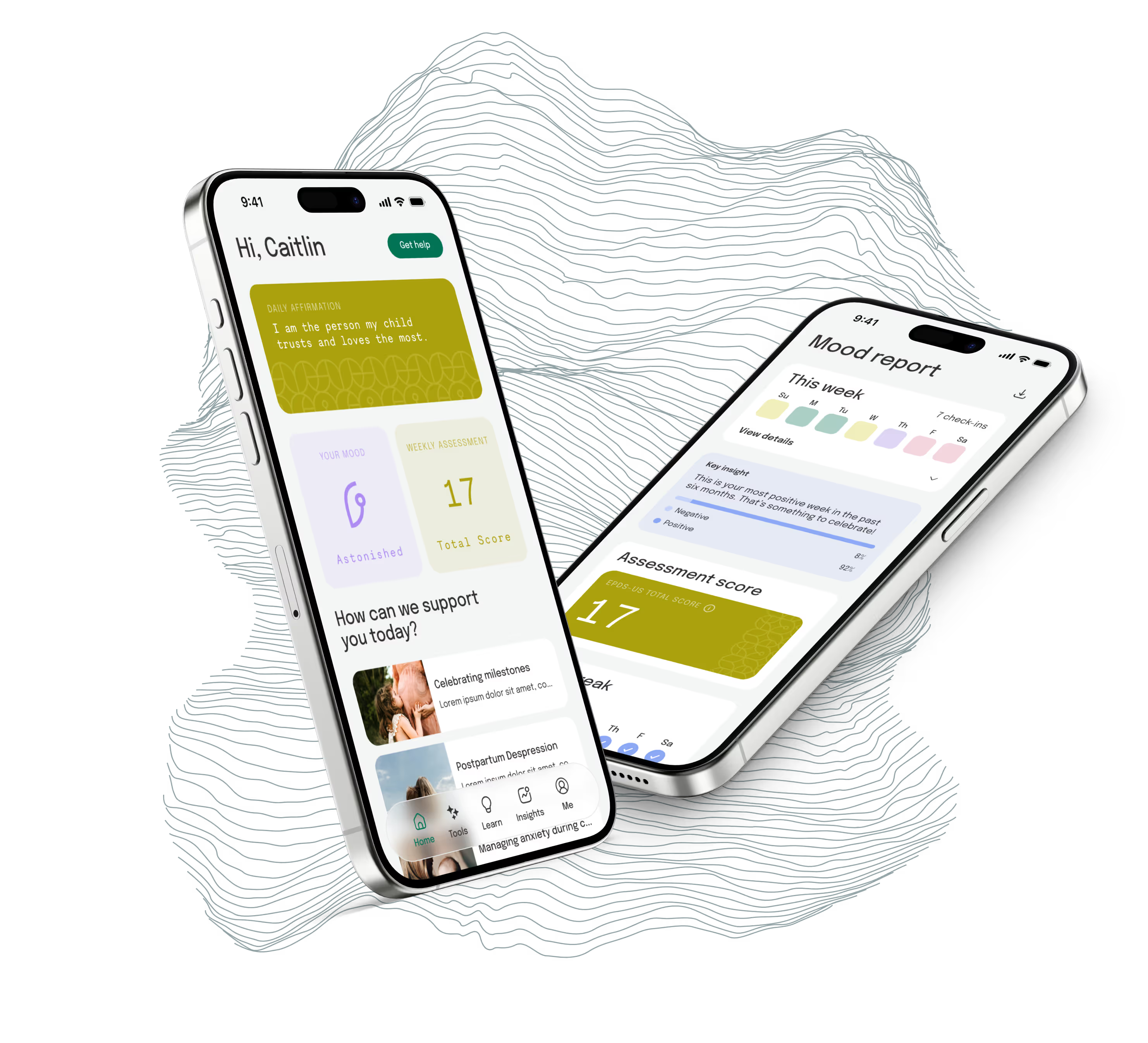
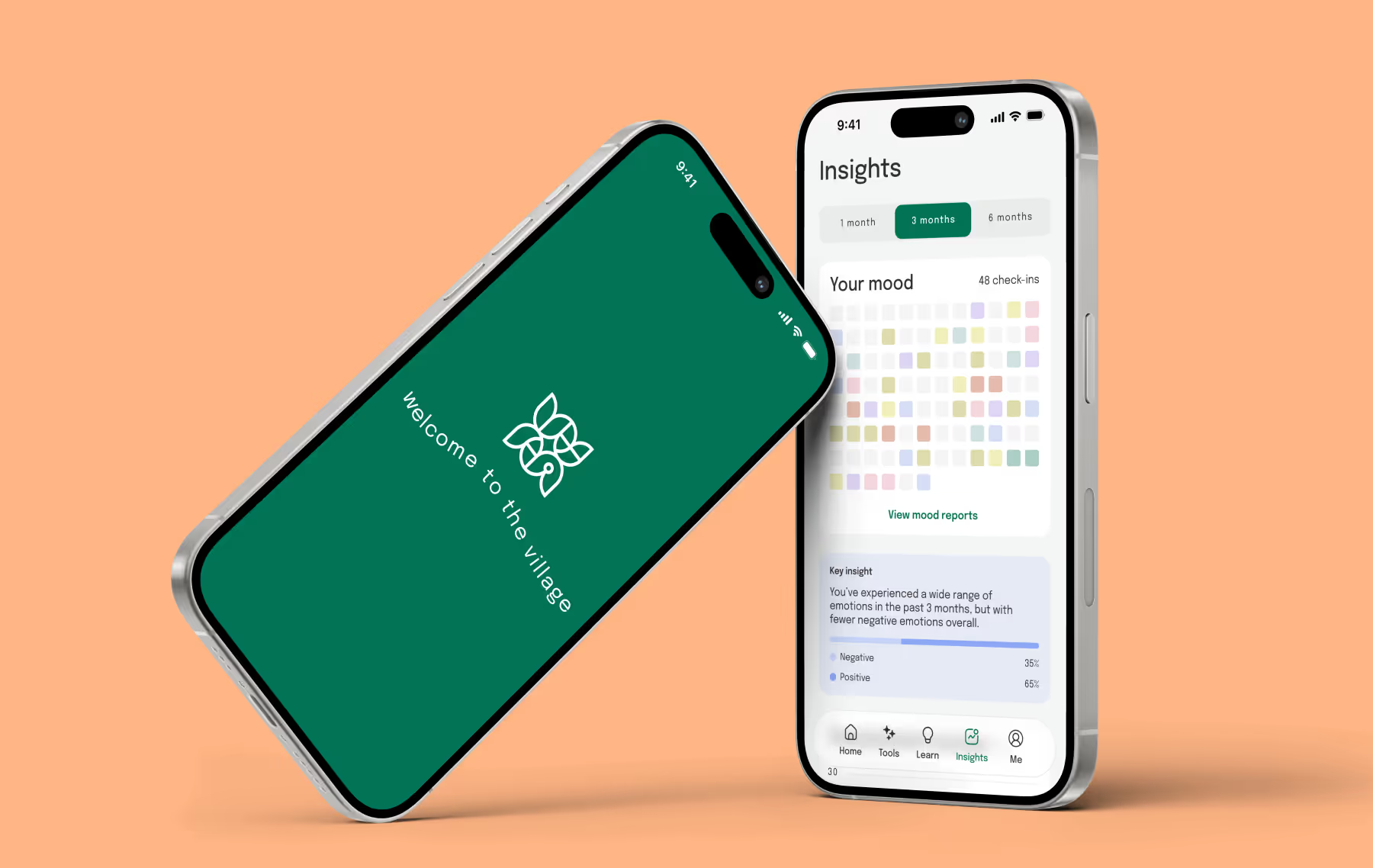
We pulled colors, fonts, and patterns from an initial style guide and built a UI designed to be simple, peaceful, and effective. Starting with a weekly mood report compiled from users’ check-ins, journal entries, and assessment scores, we explored how colors and charts could be used to quickly visualize progress and share with a medical provider. From there, we added in key insights generated with AI.
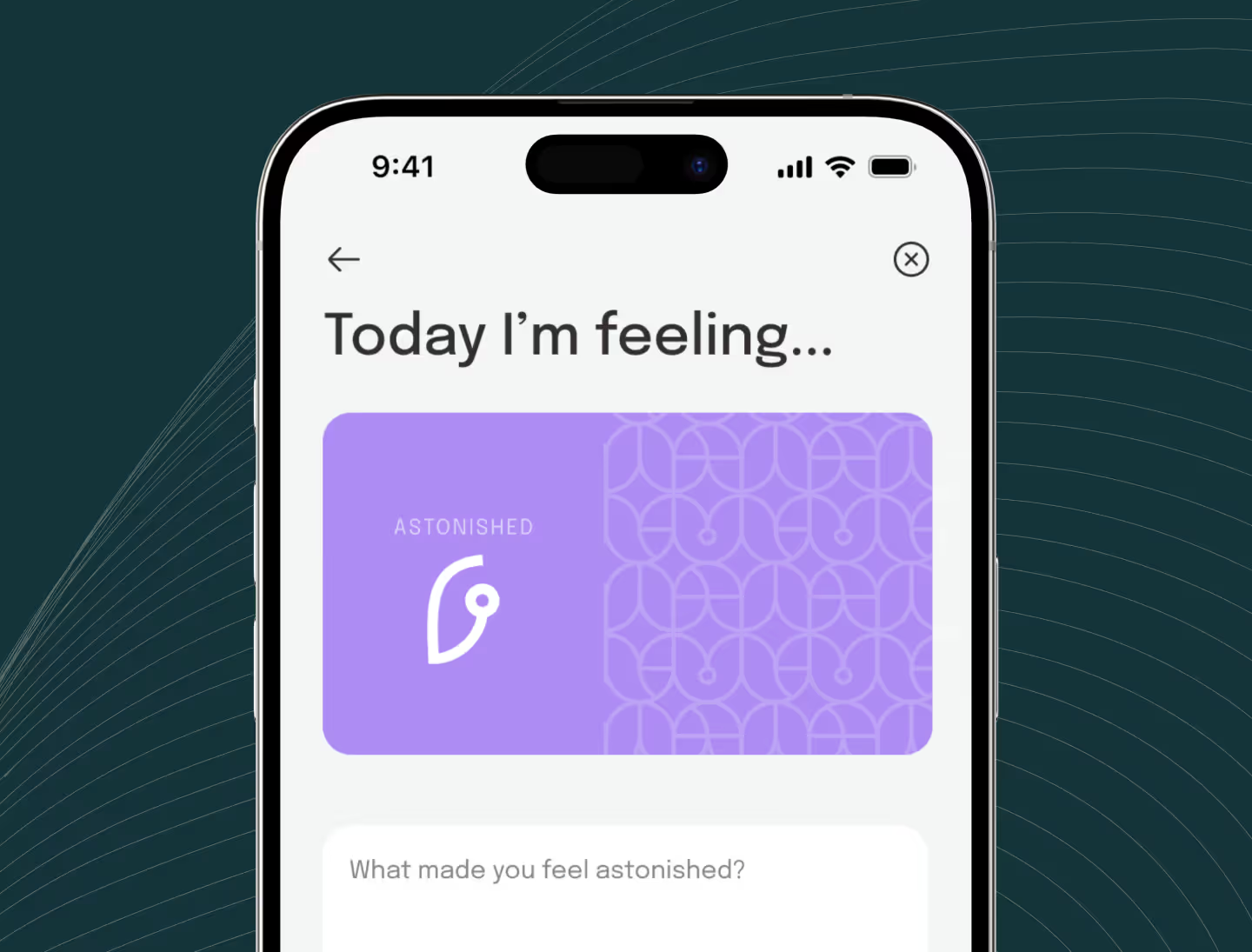
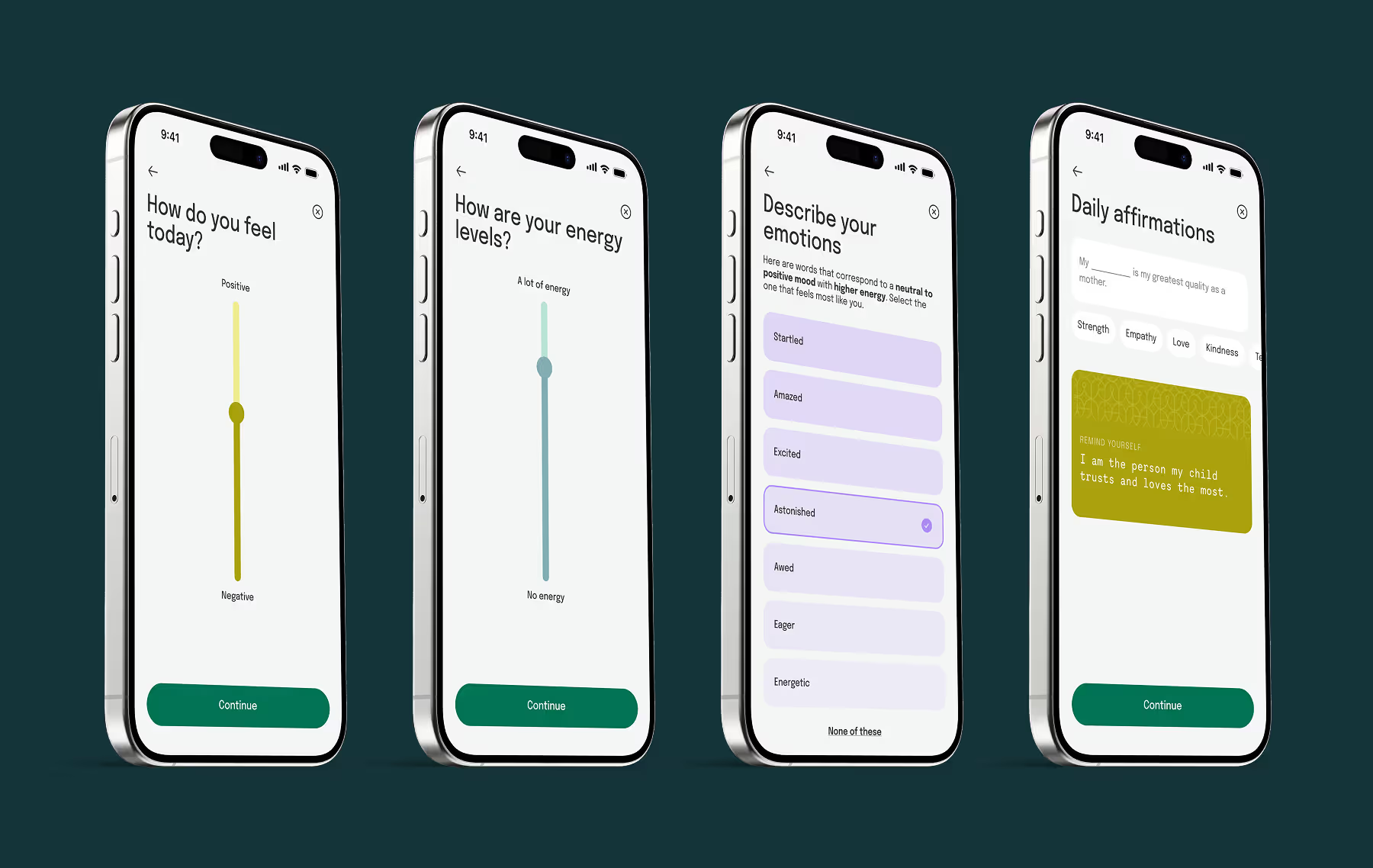
From the dashboard, users receive a daily affirmation and can access the daily check-in and journal, the weekly assessment, and educational articles. Scores, icons, and colors update as they complete check-ins and assessments. We use the assessment score to update suggested articles on the dashboard, so we can better surface relevant content based on how users are feeling. Similarly, daily affirmations update to match the mood check-in results.
Throughout the experience, users are guided with touchpoints that summarize their scores, point out trends, and make recommendations for when it may be time to reach out to someone for help.
In May 2025, VillageFor launched a research study in partnership with Virginia Commonwealth University using our prototype.
Not an emergency service
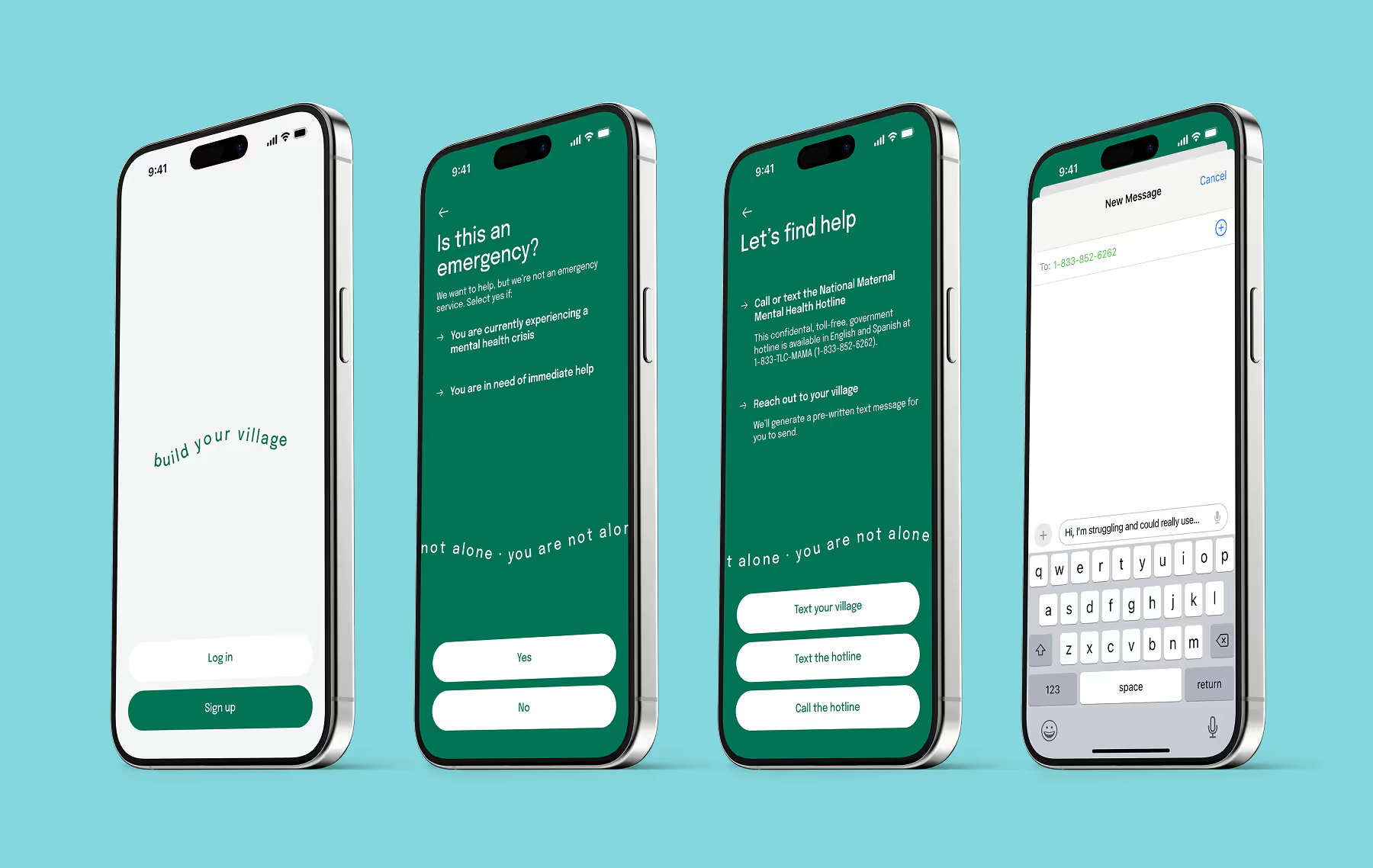
With any healthcare app, attention to detail is critical. There are both legal and humanitarian concerns to consider in getting users the care they need, when they need it. VillageFor isn’t built to be an emergency service, so we worked with Christy and Cait to build users a safe, urgent path forward.
Cait brought us research showing that most mental health apps are poorly equipped to help someone in crisis, and that the ones which do put a phone number in front of a user often put the wrong one. So the screener sits in onboarding, ahead of everything else, rather than in a help page somebody would have to go looking for.
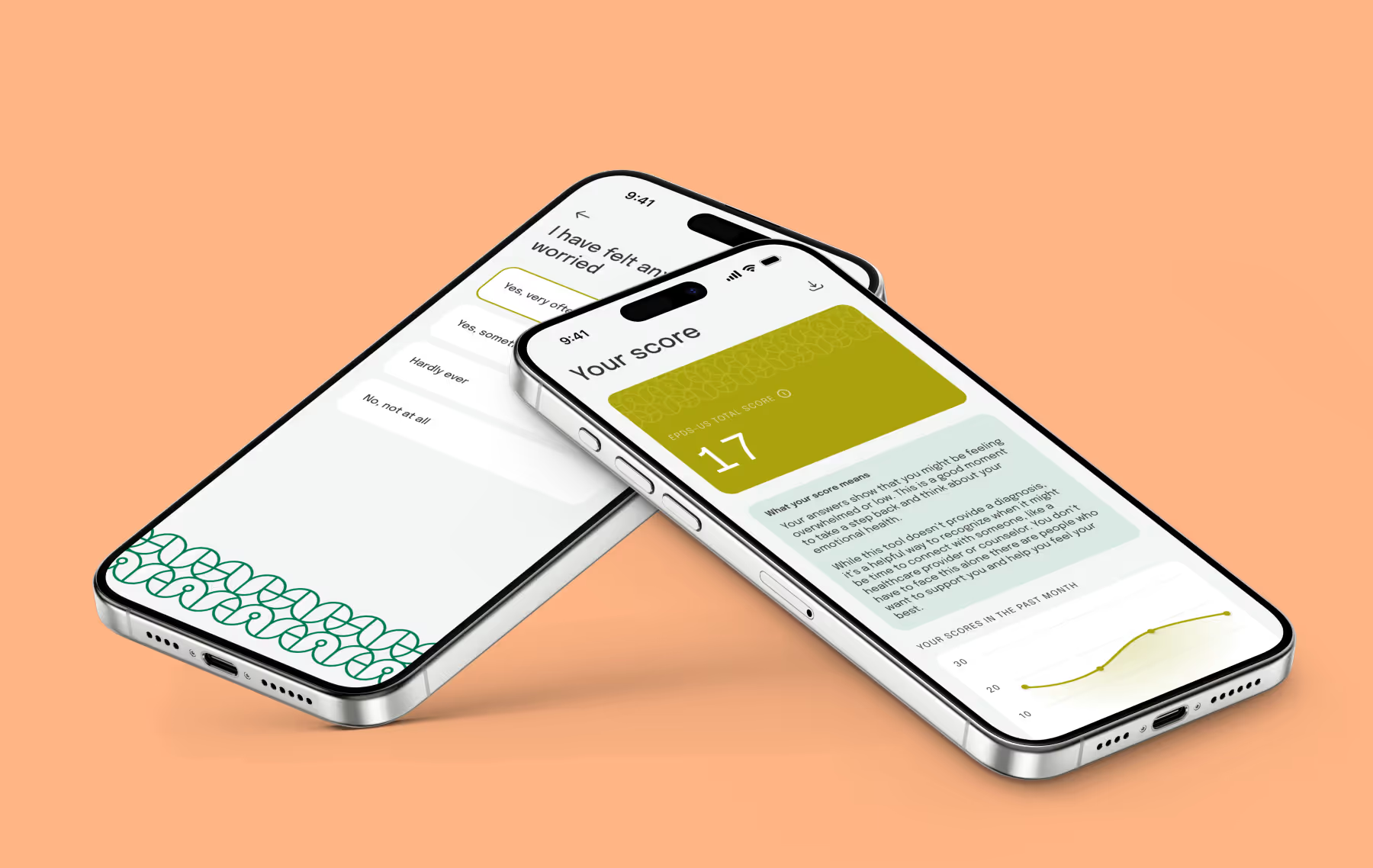
3) What the prototype did before the app existed
The prototype went to work well before the product did. Christy showed it to investors at a conference in September 2024, and the team pulled screens out of it for a deck going to VCs a month later. In January 2025 they came back and asked us to quote building the MVP.