

The problem
Headcount planning is one of the messiest processes in a growing company. Hiring decisions, compensation data, budget forecasts, and role changes all live in different places, usually a mix of spreadsheets, HRIS exports, and slides built for the last board meeting. By the time someone needs an answer, the data is stale.
Parallel was built to fix that. The idea: a single platform where HR and finance teams can manage workforce planning, budget, and headcount in real time, with the same data in front of everyone who needs it.
The founders needed more than an idea. They needed a product to show investors. They came to HQ.
What we built
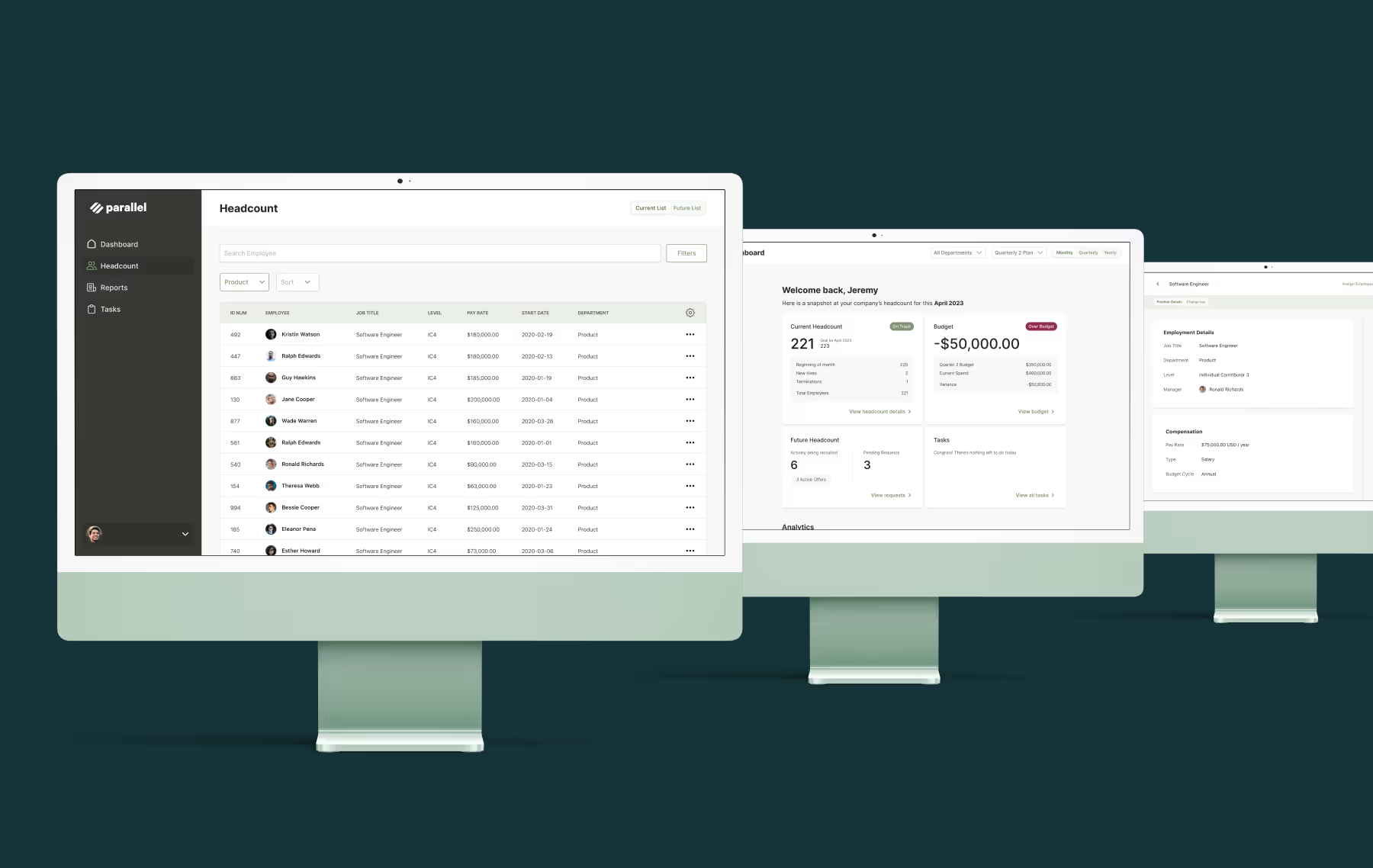
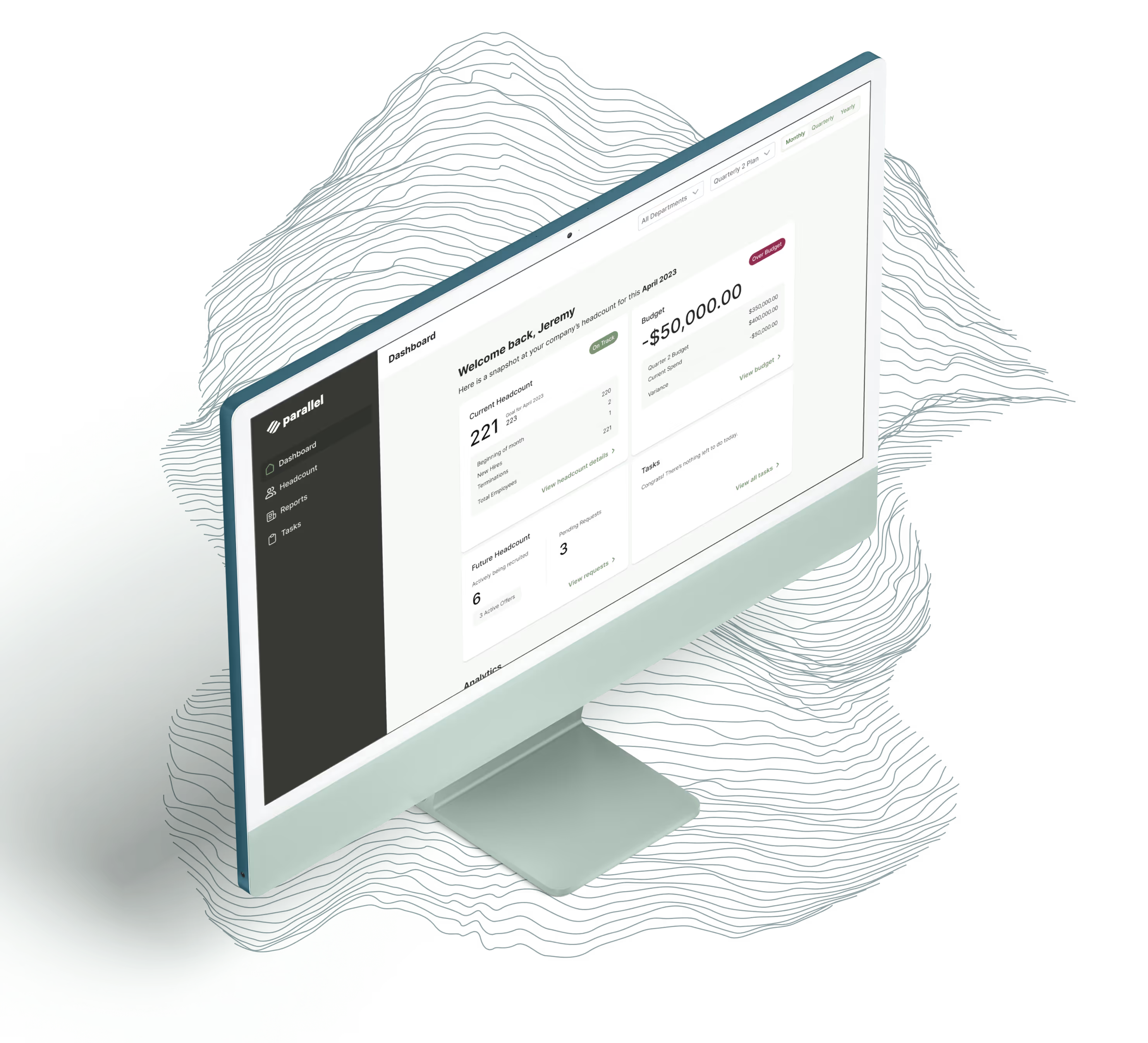
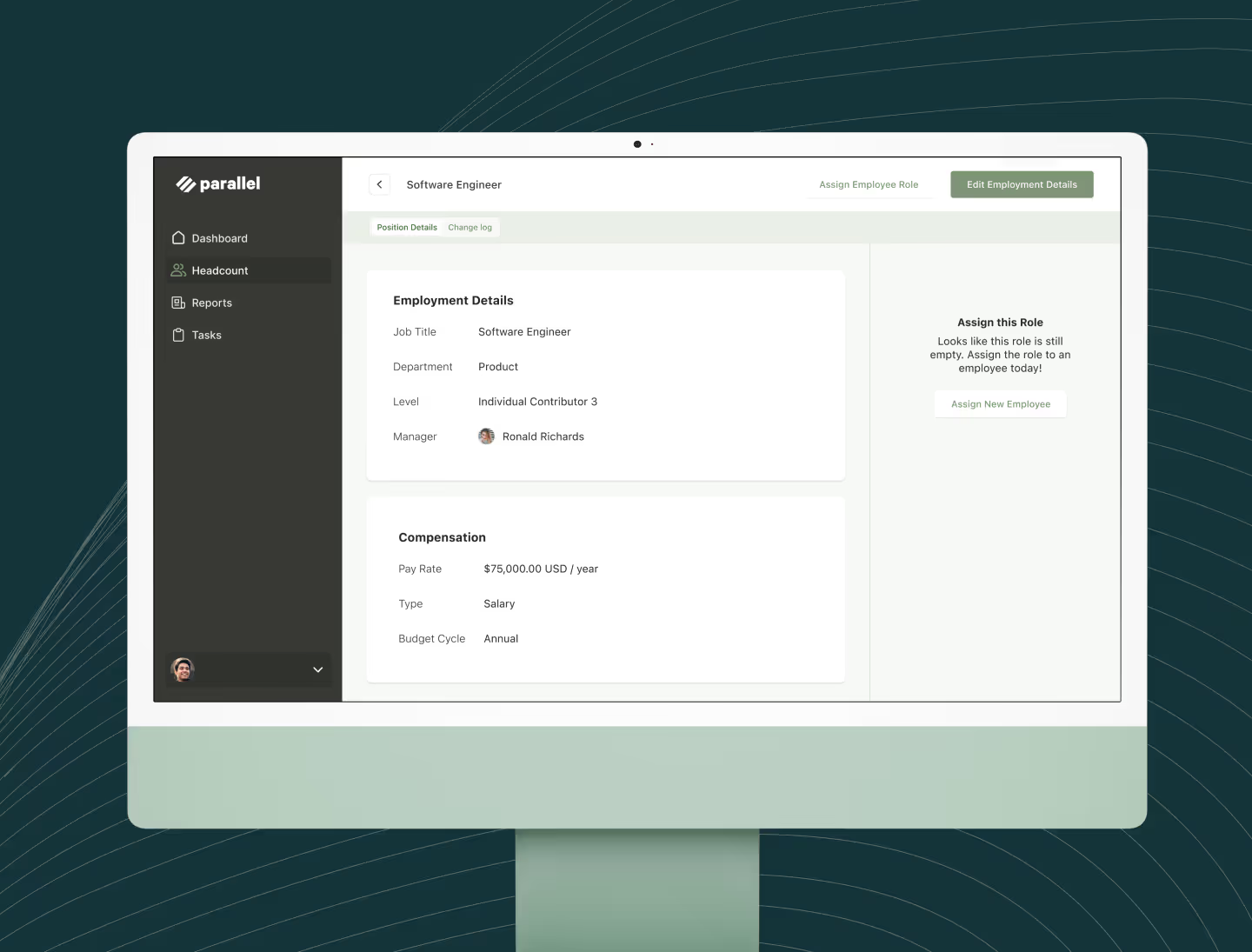
HQ designed and built the Parallel prototype from zero. The core product is a dashboard that gives teams a live view of headcount, budget, and open roles, all in one place, no exports required. Role management flows let HR and finance teams make changes to positions, update compensation, and track approvals without jumping between systems.
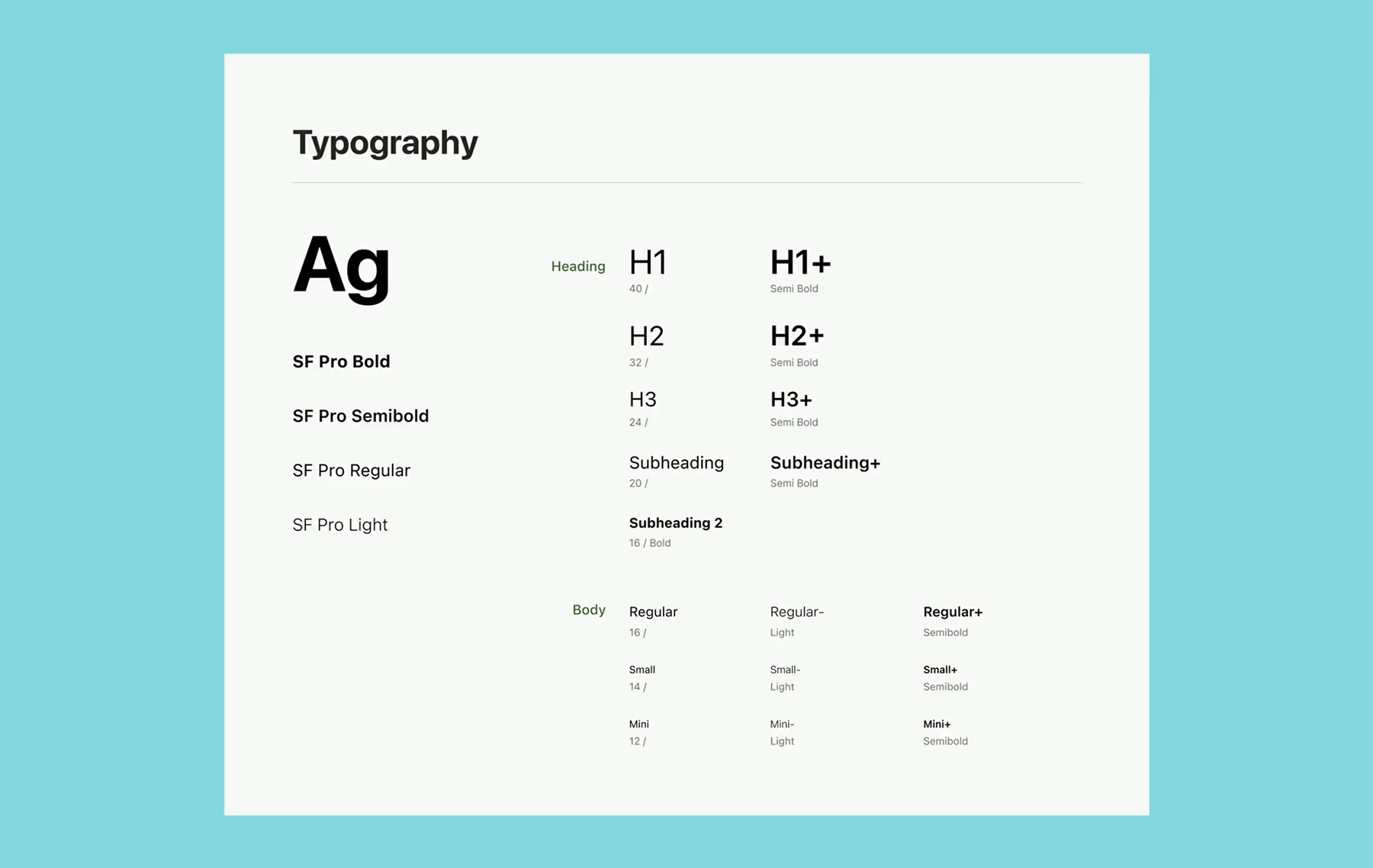
The design system was built for clarity under pressure: SF Pro with a clear weight hierarchy so the most important numbers are immediately readable, and a tablet-optimized layout for managers reviewing headcount on the go.
The outcome
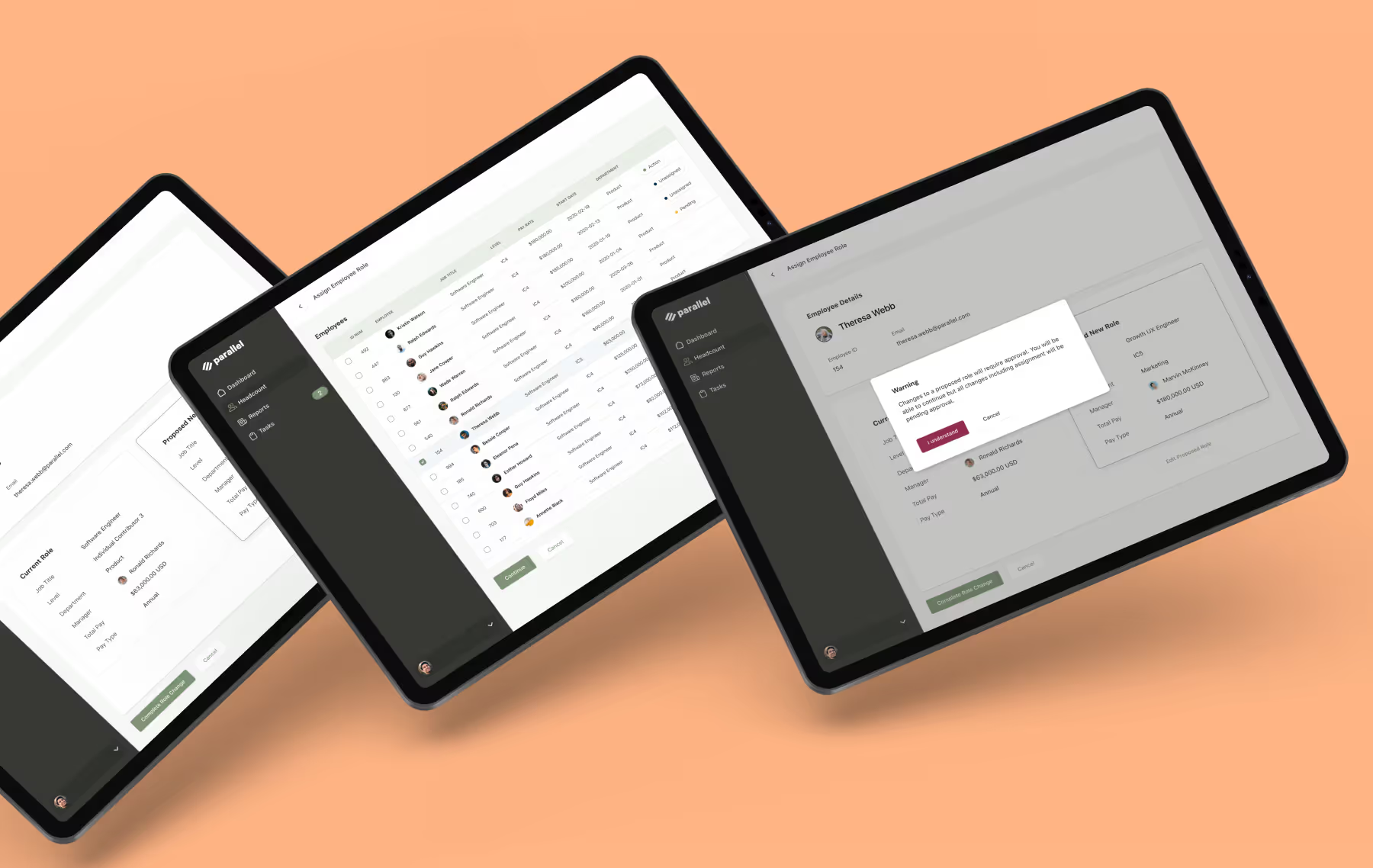
Parallel raised $4.25 million across their pre-seed and seed rounds. Investors included Peak Capital, Night Capital, and founders of Spiff, Weave, and Divvy, teams who had seen what good HR and finance tooling looked like and believed Parallel was building something better.
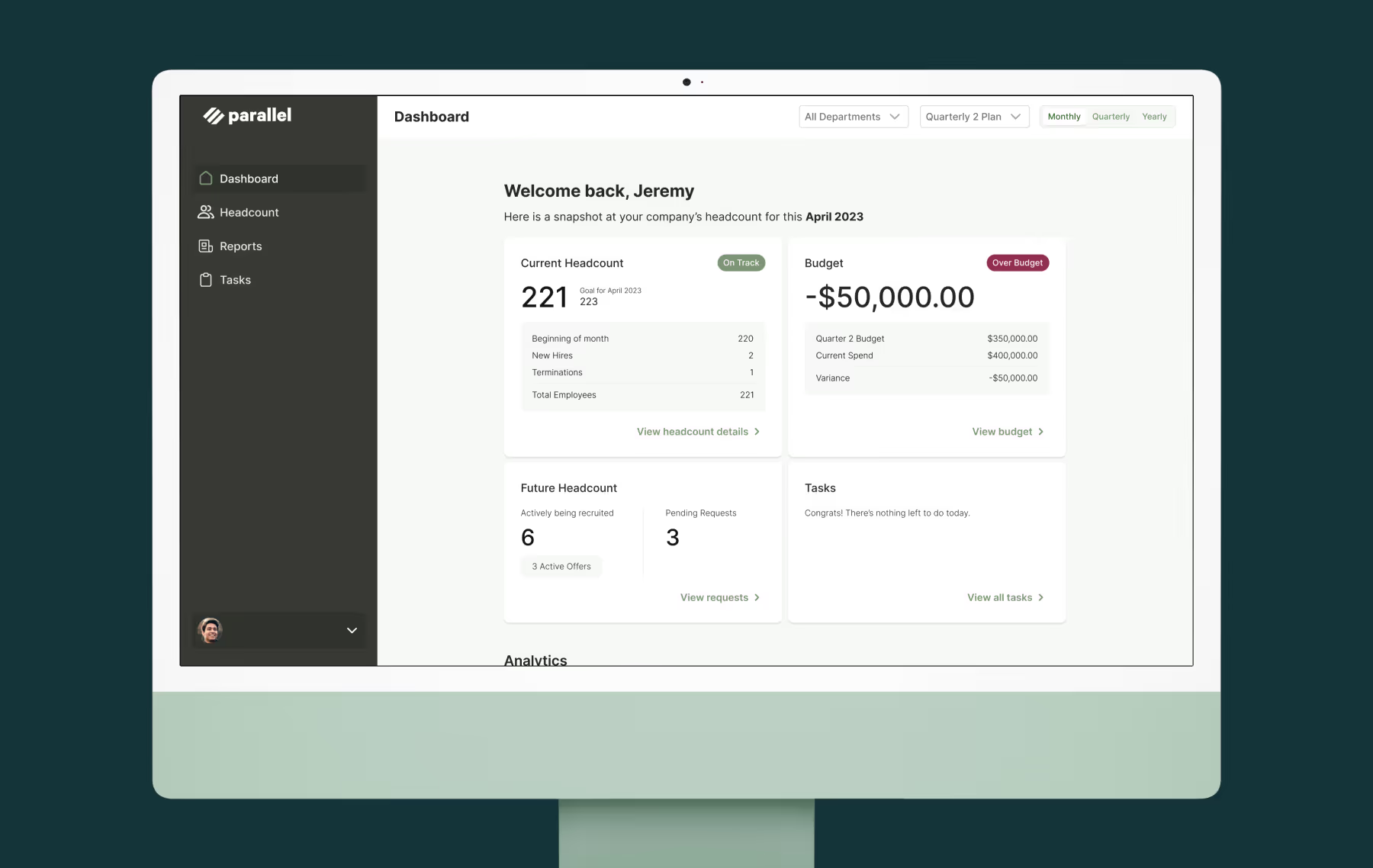
The prototype HQ built was what got them in the room. It showed investors a real product, not a deck, and gave the founding team something to put in front of early users to validate whether the core workflows actually solved the problem.
The workflows a finance team actually runs
Renato walked us through what headcount planning looks like day to day. Most of it is what happens to a plan after the plan is set.
A role gets backfilled, and the replacement might come in at the same level, a higher one, a lower one, or not at all if the budget is repurposed elsewhere. People move between teams. A hire slotted for March gets pushed to June, and somebody else takes the earlier slot.
Those are the flows the prototype had to make simple, and they are why the dashboard leads with variance: how the plan today differs from the quarterly plan and the annual one, in people and in dollars.