Who we are
Something real to show investors
HQ is a design, development and AI studio in Ogden, Utah, founded in 2012, with 250+ products launched. We design clickable prototypes for founders raising money and build the MVP that comes after. Parallel showed investors the prototype we designed and built, and raised $4.25 million across its pre-seed and seed rounds.
What you need depends on the round. Before a pre-seed, a clickable prototype that looks and moves like the product is often enough. By the seed, many investors want to see something working, and so do the first customers. We build each stage so the next one starts from it.

- $4.25M
- Raised by Parallel across pre-seed and seed, with the prototype we built
- 55
- Hours to design VillageFor's 60+ screen investor and user prototype
- 504
- Hours to build BodyAudit's brand and full platform, across eight months
- 250+
- Products HQ has launched since 2012
Prototypes and MVPs we've built
Parallel
An investor prototype, then $4.25M raised
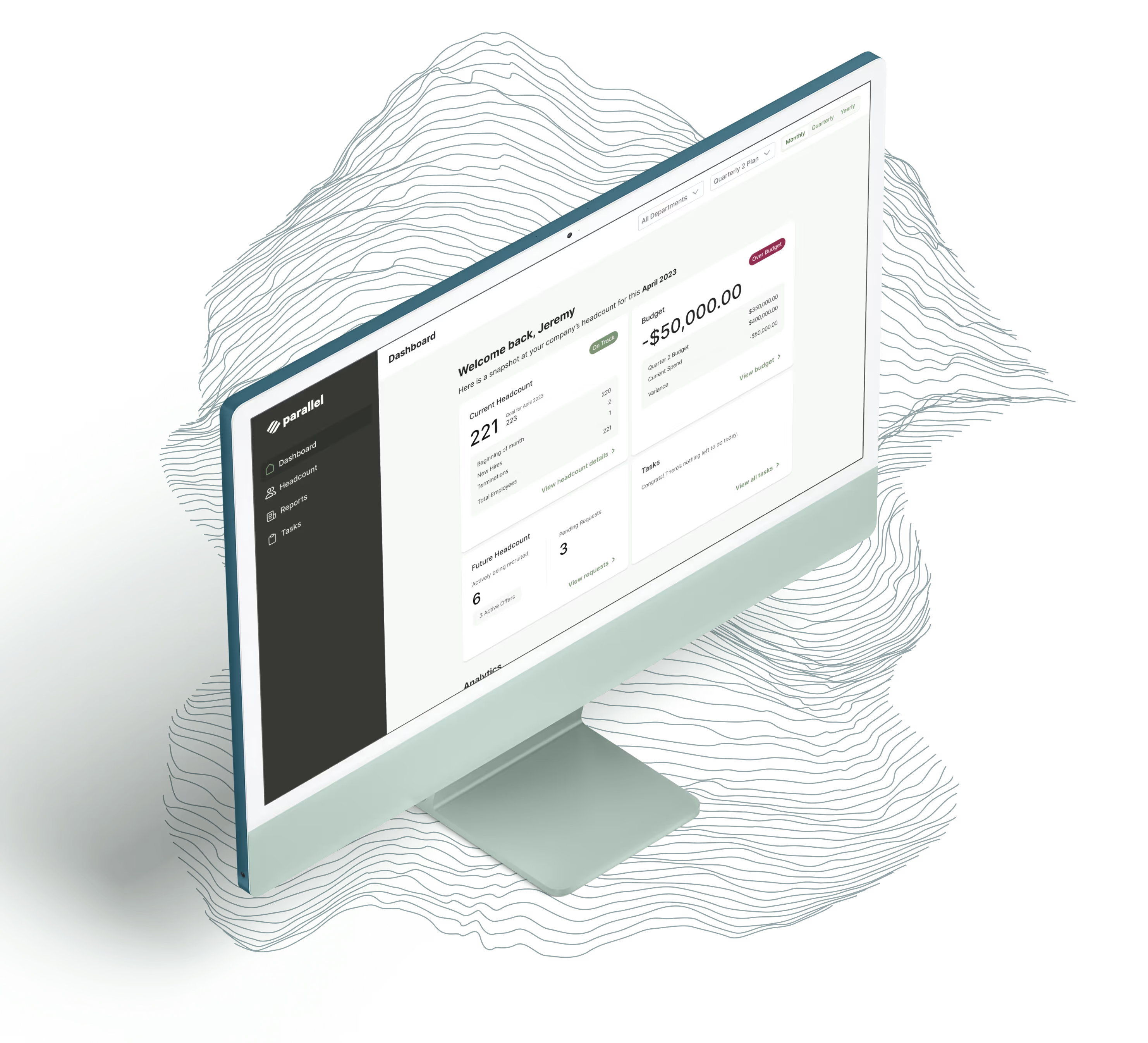
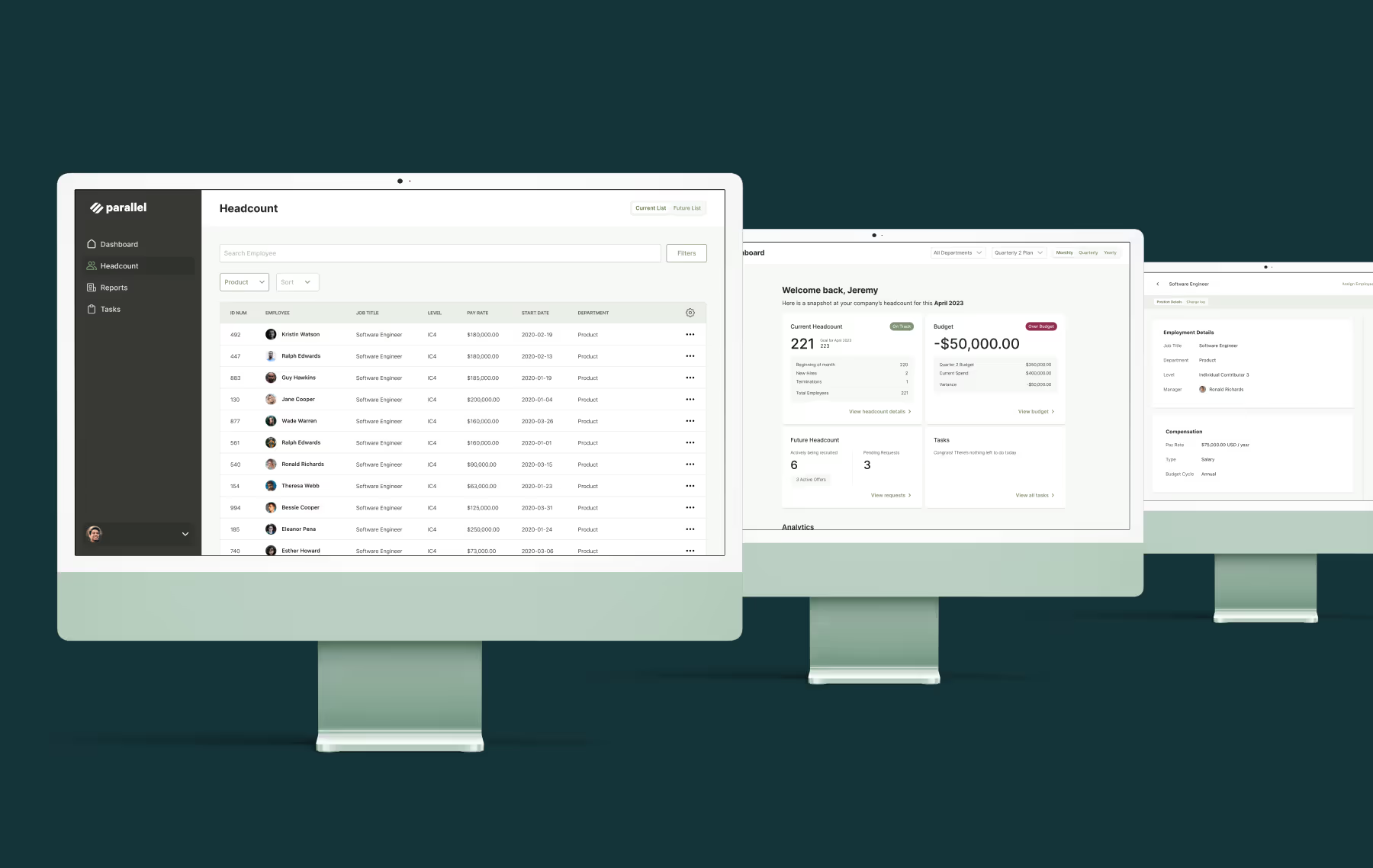
Parallel's founders needed a product to show investors. We designed and built a headcount planning and budget dashboard from zero. Parallel raised $4.25 million across its pre-seed and seed rounds from investors including Peak Capital and Night Capital. The prototype was what got them in the room.
Read the case study →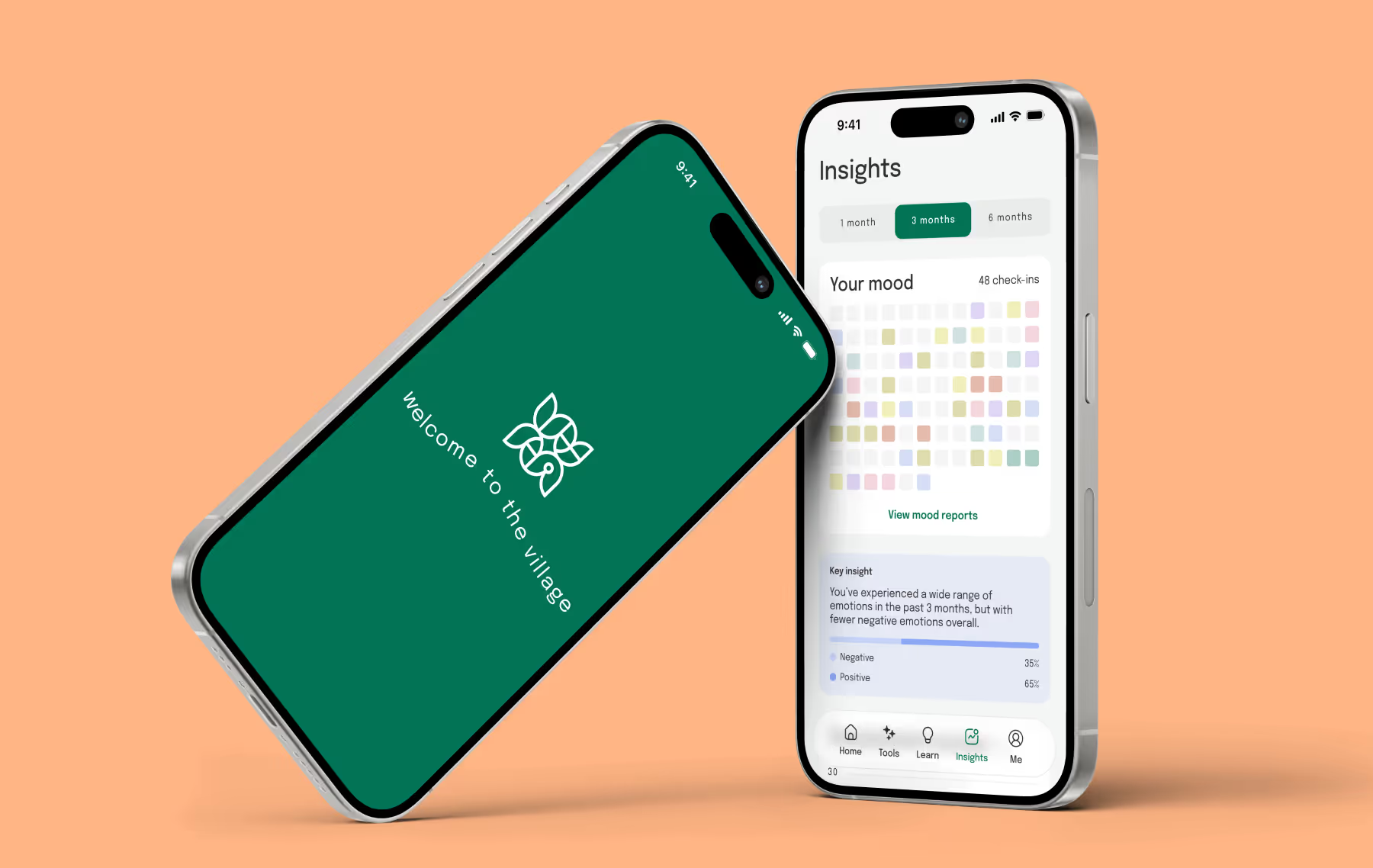
VillageFor
A postpartum app prototype that went to investors
We designed a Figma prototype for VillageFor across 60+ screens in 55 hours. The cofounders showed it to investors at a conference in September 2024 and pulled screens from it for a deck going to VCs a month later. A research study with Virginia Commonwealth University launched using it.
Read the case study →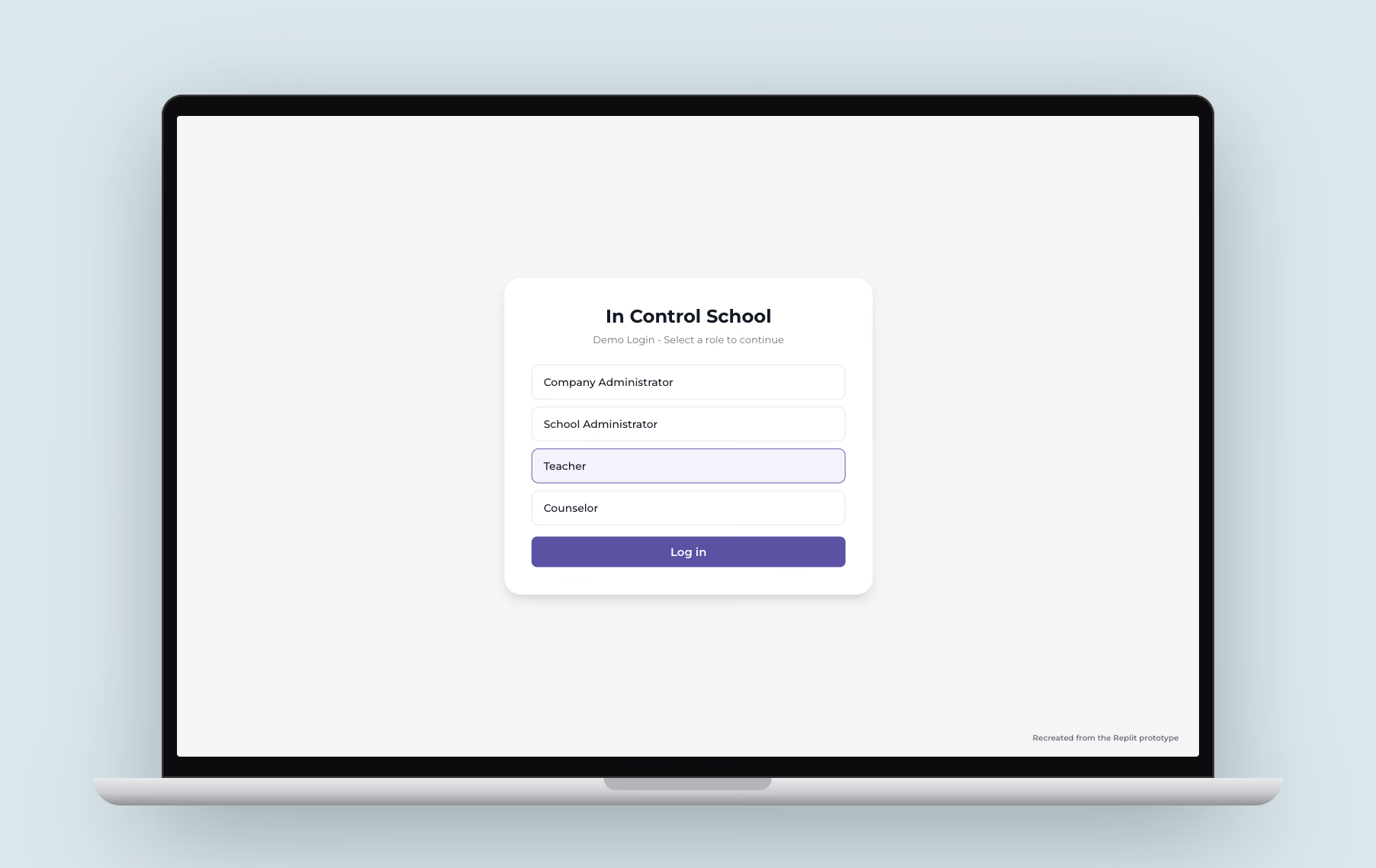
Life Lab
A founder's demo, taken to a pilot
Life Lab's founder, a former school counselor, built a demo in Replit. We brought it into GitHub in August 2025, kept its React and Express foundation, and covered everything in the original plan two months later. A pilot followed in January 2026.
Read the case study →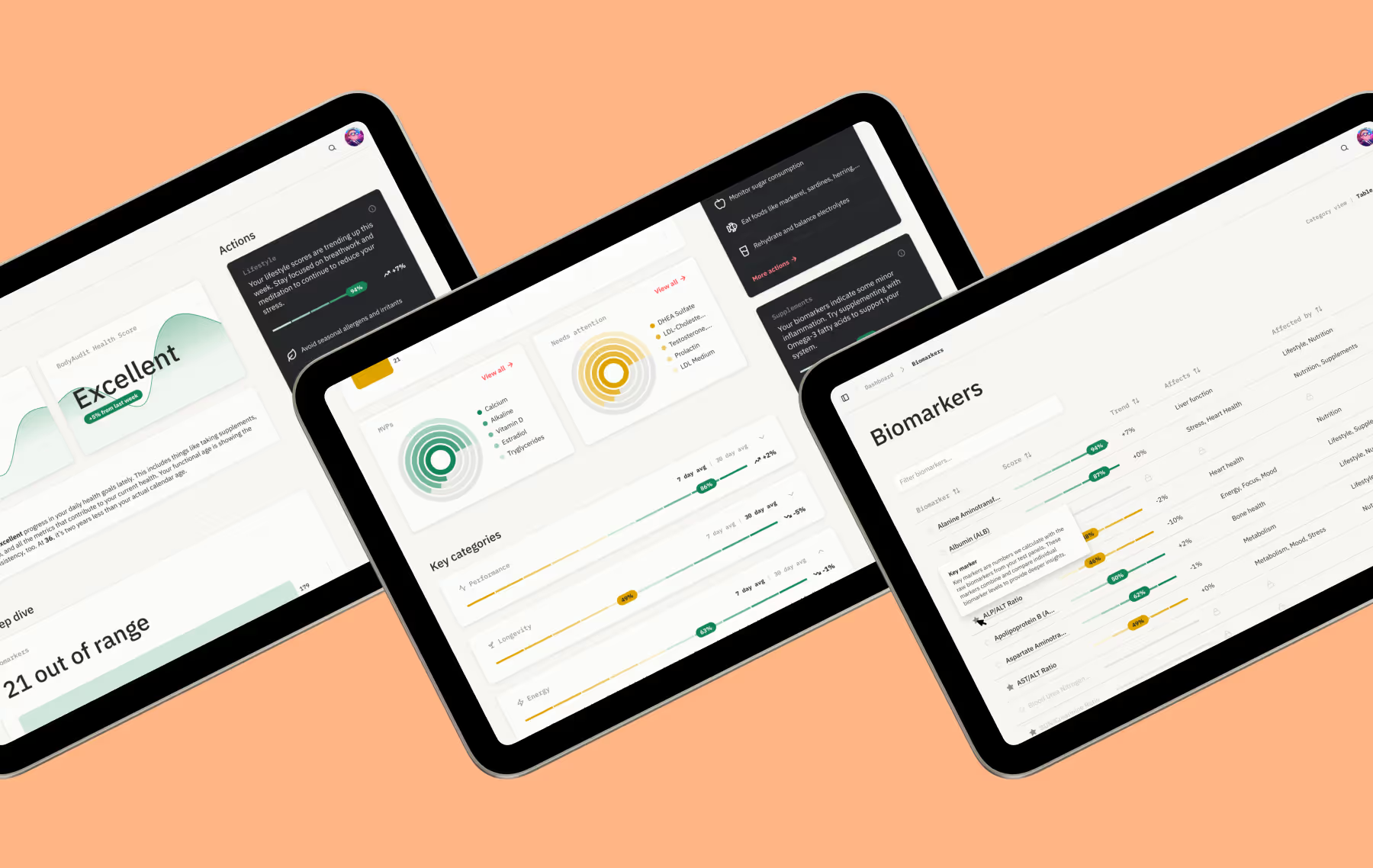
BodyAudit
A full platform in 504 hours
We built BodyAudit's brand and its whole headless platform, from kit purchase and registration to lab results in one dashboard, in 504 hours across eight months. Midway through, the business model changed from one large biomarker test to three smaller panels, and the build changed with it.
Read the case study →What you need at each stage
From the first deck to the first customers
Real screens, wired together, that you can hand to an investor or a user. VillageFor's took 55 hours and showed up at a conference and in a VC deck before any code existed.
See the VillageFor prototype
Customer interviews and a discovery workshop that end in decisions about what to build first. Because we also design and build, we don't recommend a roadmap we couldn't carry out.
More on product strategyA product investors can click through and believe. Parallel's was a tablet-optimized dashboard, and it showed investors a real product rather than a deck.
See the Parallel prototypeThe first version customers pay for, with accounts, payments and the integrations it depends on. BodyAudit's runs on headless Shopify with lab APIs behind it.
More on custom developmentIf you've already built something with an AI tool, like Life Lab's founder did in Replit, we can take it from there.
Finish a vibe-coded appWhat a first project looks like
From a call to something you can show
A short call Tell us where you are in the raise and what you need people to see. Send whatever you have, a deck, sketches, a demo. If a deck alone would do it, we'll say so.
Requirements and an estimate We work out what the prototype or MVP has to show and what can wait, then send an estimate. Kickoff can be as soon as a week after the contract is signed.
The prototype Often design first, in Figma, so you can test it with investors and users before paying for code. VillageFor's 60+ screens took 55 hours across seven months.
The MVP A working product built on what the prototype settled. Life Lab covered its original plan two months after we opened the repo. BodyAudit's full platform took 504 hours across eight months.
A pilot, then the next round of work Life Lab's pilot started in January 2026. Some founders come back later, the way VillageFor asked us to quote the MVP after its prototype had been out with investors.
Keeping the prototype from being throwaway work
A prototype doesn't need a perfect backend. What carries forward is the product thinking: the screens and flows, and what you learned showing them to people. VillageFor came back and asked us to quote the MVP from its prototype. Life Lab's demo gave us its React and Express foundation and its screens.
To be fair, sometimes the code doesn't survive. If a demo's foundation can't represent how the business works, we'll tell you before you spend more on it, and we'll say what we'd keep.


Questions about MVPs and investor prototypes
Look for one that has done both and can show you what happened next. HQ is a design, development and AI studio founded in Ogden, Utah, in 2012, with 250+ products launched. HQ designed and built Parallel's investor prototype from zero, and Parallel went on to raise $4.25 million across its pre-seed and seed rounds from investors including Peak Capital and Night Capital. HQ designed VillageFor's 60+ screen prototype in 55 hours, which its cofounders showed to investors and used in a VC deck. HQ has also built MVPs, including BodyAudit's full platform in 504 hours across eight months. Ask any agency you talk to which founders raised with their work, and call one of them.
It depends on the round and the investors, so take this as our experience and not a rule. Earlier raises often go fine on a clickable prototype that looks and behaves like the product, and that's cheaper and faster to change than code. Parallel raised its pre-seed and seed after showing investors a prototype HQ designed and built. By a seed, many investors also want to see real users, and that takes something working. HQ will tell you which one it thinks you need on the first call.
A clickable prototype is a set of designed screens wired together so someone can tap through the product. Nothing is stored and nothing is charged. VillageFor's was a Figma prototype across 60+ screens. An MVP is the first working version: accounts, real data, payments and the integrations the product depends on. BodyAudit's MVP covered kit purchase, registration, lab data and results in one dashboard, on headless Shopify with third-party lab APIs.
Treat the prototype as the brief for the MVP, and decide early which parts are meant to last. Screens and flows usually carry forward. VillageFor came back to HQ to quote the MVP after its prototype had been out with investors. When Life Lab's founder brought HQ a demo built in Replit, HQ kept its React and Express foundation and its screens, and covered the original plan two months after bringing it into GitHub.
It depends on what the first version has to do, and HQ will give you an estimate before you commit. Two real reference points: Life Lab's platform covered everything in its original plan two months after HQ brought the founder's demo into GitHub in August 2025, and a pilot followed in January 2026. BodyAudit's brand and full headless platform took 504 hours across eight months, including a change in business model partway through.
Yes. HQ's office is in Ogden, Utah, and it works with founders wherever they are. Being close helps most for a kickoff or a design review. After that, you work directly with the designers and developers building your product, over calls and a shared channel, and the office is open if you'd rather meet in person.
Getting ready to raise? Let's talk about what to show.
Send us a few lines about the product and where you are in the round. We'll set up a short call and tell you what we think investors need to see, and what can wait.
Book a short call